





International Women’s Day on March 8th is about celebrating women in every stage of life — growing, leading, nurturing, creating, and inspiring. While flowers and gifts are thoughtful, there’s something even more meaningful: capturing this chapter of your life with professional portraits.
A studio photoshoot in Philadelphia offers a calm, elegant space where you can truly celebrate yourself. Whether you’re expecting a baby, embracing motherhood, or simply honoring your personal journey, this experience becomes a powerful reminder of your strength.
For moms-to-be especially, booking a session with the Best maternity photographer in Philadelphia ensures that your portraits feel refined, flattering, and deeply personal. Professional lighting, curated backdrops, and guided posing create images that feel effortless and timeless.

Why International Women’s Day Is Perfect for Portraits
March 8th is about appreciation — and that includes appreciating yourself.
Life moves quickly. Pregnancy passes. Children grow. Seasons change. A studio photoshoot allows you to pause and preserve the beauty of this exact moment.
Unlike outdoor sessions that depend on weather, a studio environment offers consistency and privacy. You can focus entirely on feeling confident, comfortable, and radiant.
The Studio Experience Makes All the Difference
A professional studio session in Philadelphia provides:
- Soft, controlled lighting for flattering results
- Elegant backdrops that highlight natural beauty
- A relaxed atmosphere without outside distractions
- Expert direction so you never feel unsure in front of the camera
You don’t need modeling experience. You don’t need to know how to pose. The right photographer guides you every step of the way, creating images that feel natural and authentic.
A Meaningful Gift That Lasts Forever
Looking for a powerful Women’s Day gift idea?
A studio photoshoot is unforgettable. It’s thoughtful. It’s empowering. And it creates memories that will last far beyond March 8th.
Partners can surprise their wives. Families can celebrate a mother-to-be. Women can choose to honor themselves with a confidence session.
Unlike temporary gifts, portraits become heirlooms.
Make This March 8th About You
International Women’s Day is about strength, resilience, and beauty — inside and out.
A studio photoshoot in Philadelphia transforms that message into something tangible. It captures your glow, your confidence, your story.
This March 8th, celebrate more than just the day. Celebrate yourself — and preserve the moment forever.
International Women’s Day on March 8th is a moment to slow down and show appreciation. It’s not about flashy gifts or over-the-top gestures. It’s about recognizing the women who make your world better — at home, at work, and everywhere in between.
And year after year, flowers remain the most meaningful way to say it.
If you’re in Connecticut, working with a trusted Best florist Norwalk, CT ensures your bouquet looks intentional, elegant, and fresh. March 8th is one of the busiest days for flower shops, so planning early guarantees you get the best seasonal blooms instead of limited leftovers.
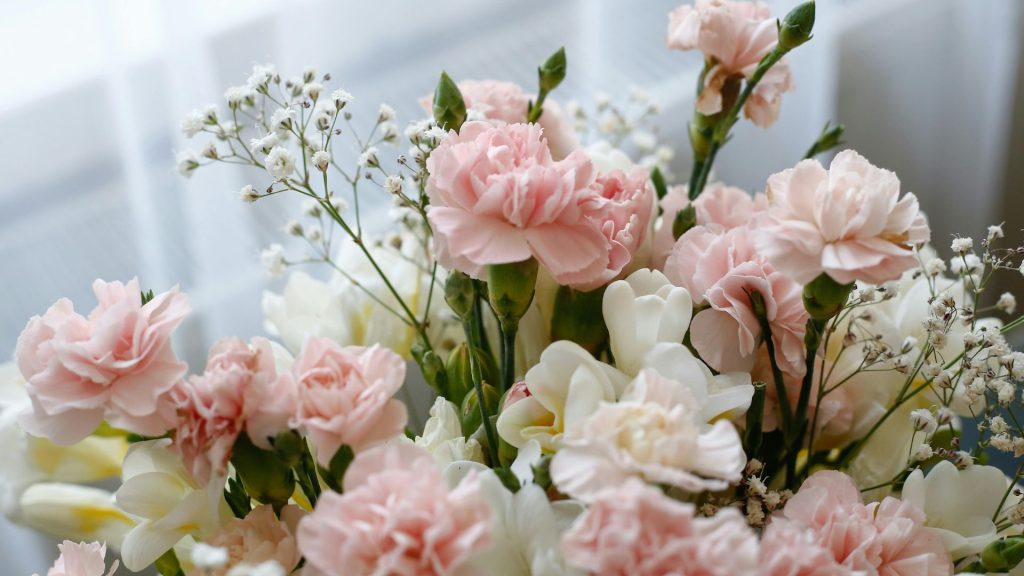
Why Spring Flowers Make the Perfect Gift
March sits right on the edge of spring — which makes seasonal flowers especially symbolic.
Think soft pastel tulips.
Bright yellow mimosa.
Classic roses in warm shades.
Airy mixed bouquets with fresh greenery.
These flowers reflect renewal, strength, and beauty — exactly what International Women’s Day represents.
Unlike generic gifts, flowers feel personal. The color, the style, even the size of the arrangement can reflect the personality of the person receiving it.
Planning Ahead = Stress-Free Celebration
Here’s the reality: the best March 8th surprises are the ones that don’t feel rushed.
To get it right:
- Order at least a few days in advance
- Choose delivery timing carefully
- Include a meaningful note
- Consider workplace delivery for an extra surprise
Small details create big emotions.
A simple “Thank you for everything you do” attached to a beautiful bouquet can mean more than you think.
Make It More Than Just Flowers
Want to elevate your gift?
You can pair flowers with:
- A handwritten letter
- A small jewelry piece
- A favorite dessert
- A breakfast surprise
- A dinner reservation
International Women’s Day is about appreciation — not obligation. When you choose something with intention, it shows.
Final Thoughts
March 8th is an opportunity. A reminder. A chance to celebrate the strength, kindness, and impact of the women around you.
Plan early. Choose fresh. Keep it thoughtful.
That’s how you turn a simple bouquet into something unforgettable.
Modern software development moves fast. Infrastructure? Not always.
That gap is exactly where ASD.host positions itself.
ASD.host (Accelerated Software Development) is a developer-first platform designed to simplify local service exposure and tighten CI/CD workflows — without messy configs, fragile tunnels, or endless staging deployments.
This isn’t another generic cloud product. It’s built specifically for engineering teams who care about speed, structure, and security.

What Is ASD.host?
At its core, ASD.host is a platform that allows developers to securely expose local services to the internet in seconds.
Need to:
- Show a feature to a client?
- Test a webhook integration?
- Validate a callback during CI?
- Share a live demo without deploying to staging?
ASD.host makes it straightforward.
Instead of juggling reverse proxy configs, firewall rules, and temporary workarounds, you use a clean, structured workflow that simply works.
Focused on CI/CD — Not Just Tunnels
Many exposure tools stop at “here’s your public URL.”
ASD.host goes deeper.
Its current focus is strongly aligned with CI/CD and local service exposure. That means developers can:
- Expose services during pipeline execution
- Debug builds in real time
- Validate third-party integrations instantly
- Reduce unnecessary staging deployments
This shortens feedback loops dramatically.
For DevOps teams, it removes repetitive manual setup.
For developers, it eliminates waiting.
For businesses, it accelerates delivery.
Built for Real Engineering Teams
ASD.host isn’t designed as a quick demo hack. It’s structured for real team workflows.
When multiple developers collaborate, things often break down:
- Port conflicts
- Unclear ownership of exposed services
- Random temporary URLs
- Inconsistent access control
ASD.host introduces order into that chaos.
With token-based access control, structured exposure settings, and environment-aware routing, teams gain predictability instead of confusion.
A Platform, Not Just a Tool
ASD.host feels closer to an internal developer platform component than a simple tunneling solution.
It combines:
- Secure service exposure
- CLI-driven workflows
- Managed configuration
- Expanding ecosystem capabilities
The brand’s direction shows clear intent: build infrastructure that fits into serious engineering environments — not just quick prototypes.
Enterprise-Oriented Vision
ASD.host is steadily evolving toward enterprise-ready capabilities.
The roadmap and positioning reflect a focus on:
- Advanced authentication layers
- Organizational workflows
- Centralized management
- Secure team collaboration
This signals long-term thinking. ASD.host is not trying to be trendy — it’s building durable developer infrastructure.
Why ASD.host Stands Out
What differentiates ASD.host isn’t just features. It’s philosophy.
Many tools try to replace your entire stack.
ASD.host improves a specific pain point — clean, secure, repeatable exposure of services — without forcing teams to rebuild everything.
It removes friction where it matters most.
And in modern development, friction is expensive.
Final Thoughts
Engineering teams don’t need more complexity. They need smoother workflows.
ASD.host delivers a focused solution for secure local service exposure and faster CI/CD validation — without infrastructure chaos.
For teams that value speed, clarity, and controlled access, ASD.host is a brand worth paying attention to.
And judging by its direction, this is only the beginning.
Wellness in 2026 isn’t only about supplements, gym memberships, or digital detoxes.
Surprisingly — and beautifully — it’s also about flowers.
Yep, regular, everyday blooms you can pick up on a random Thursday.
More people are using flowers as part of their wellness routine to make their homes feel calmer, lighter, more creative, and emotionally balanced. And the best part? You don’t need a big budget or any special arranging skills.
Here’s your friendly guide to “flower wellness” — simple, uplifting, and backed by how real people live.

Why Flowers Are Becoming a Wellness Essential in 2026
1. They reduce stress almost instantly
Soft colours and natural shapes calm the brain faster than you’d expect.
2. They improve emotional clarity
Fresh flowers subtly shift your environment, helping you focus and breathe easier.
3. They create a sense of ritual
Arranging flowers once a week becomes a grounding moment — a pause you didn’t know you needed.
4. They encourage slower living
Even busy people feel more present when there’s something beautiful to care for.
The Best Wellness Flowers for 2026 (And Why They Work)
Lavender — for relaxation
Its fragrance signals the brain to slow down. Perfect for bedrooms or meditation corners.
Roses — for emotional balance
Soft colours like blush, cream, or peach promote calmness and emotional warmth.
Ranunculus — for joy and lightness
Their delicate, layered petals spark creativity and brighten any room.
Eucalyptus — for clarity and freshness
Ideal for showers, entryways, or work-from-home spaces.
Chrysanthemums — for longevity and stability
Long-lasting blooms that symbolise optimism.
Orchids — for focus and mindful energy
Minimalist, sculptural, and perfect for homes that lean modern.
How to Use Flowers for Everyday Wellness at Home
1. Morning Mood Reset Bouquet
Place a small vase by the kitchen sink or coffee maker.
When you start your day with something beautiful, your brain follows.
2. Desk Flowers for Mental Clarity
Choose lightweight blooms like ranunculus or small roses.
Studies show they help reduce work stress and boost focus.
3. “Calming Corner” Arrangement
A scented bouquet (lavender, eucalyptus, soft-toned roses) placed near your reading chair, meditation area, or bedside table.
4. Shower Eucalyptus Bundle
Tie a few stems behind your shower head.
Steam releases natural oils that clear your head — a 2026 favourite.
5. The Nightstand Ritual
Swap your phone for a small vase at night.
It encourages slower, softer evenings.
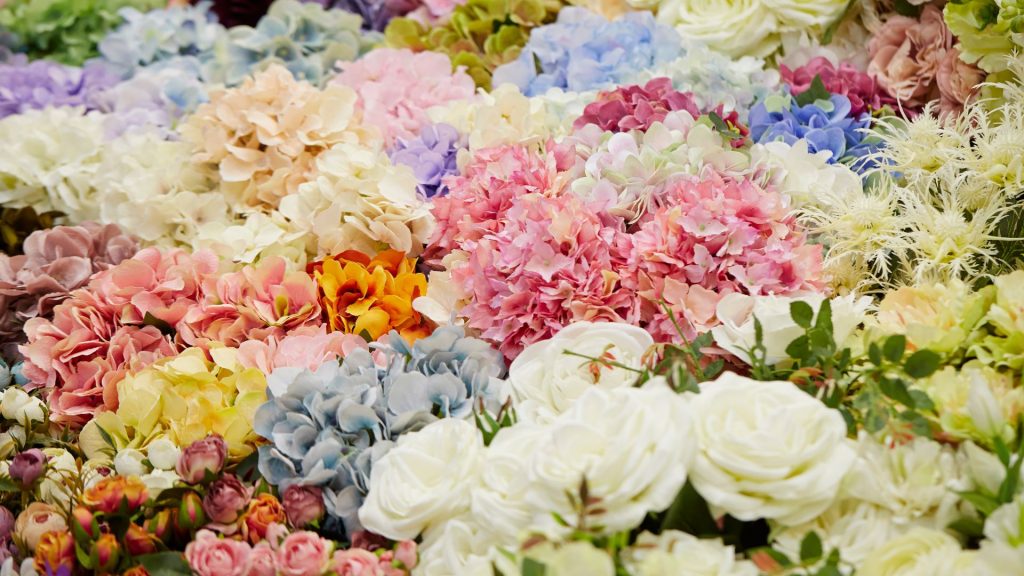
Flowers and Colour Therapy — Choosing the Right Tones
Blush & Cream — calm, safety, softness
Lavender & Mauve — imagination, inner peace
Warm Yellow — energy, natural optimism
Terracotta & Peach — grounding and comfort
White — clarity, mental reset
Using flowers intentionally creates emotional zones in your home.
Budget-Friendly Ways to Add Wellness Flowers to Your Routine
You don’t need big bouquets. Try:
- A single stunning bloom in a small vase
- Mini arrangements from leftover stems
- Mixing inexpensive flowers (carnations, mums) with eucalyptus
- Reusing jars, mugs, and bottles
- Buying seasonal flowers for better prices and better freshness
Wellness should feel accessible — not expensive.
Flower Care Tips That Help Your Wellness Routine Last Longer
- Trim stems every 2–3 days
- Change water often
- Keep flowers away from heat sources
- Remove wilted petals quickly
- Add a tiny pinch of sugar or flower food
Longer-lasting flowers = longer-lasting wellness benefits.
Final Thoughts
In 2026, flowers are more than décor. They’re soft, everyday reminders to slow down, breathe, and take care of yourself. Whether you fill your home with blooms or simply keep a single stem on your desk, the emotional impact is real — and surprisingly powerful.
If you want, I can write another unique article on:
✔ Small-space flower décor
✔ Morning floral rituals for busy people
✔ Sustainable flower choices in 2026
✔ Colour psychology for home styling
✔ Event-focused wellness flowers
Just say “ще одну тему,” і продовжимо!
Most people choose flowers based on what “looks pretty,” but in 2026, colour is doing the heavy lifting.
The right palette can make a room feel warmer, calmer, brighter, or more luxurious — without painting walls, changing furniture, or buying anything huge.
Just flowers. Simple, affordable, powerful.
Here’s your guide to 2026’s most interesting flower colour trends and how to use them to shift the energy of your space like a pro.

Why Colour Matters More Than Ever in Floral Design
Colour doesn’t just decorate a room — it changes it.
It affects mood, energy, and even how spacious your home feels.
Warm colours = comfort & connection
Great for living rooms and dining areas.
Cool colours = calm & clarity
Perfect for bedrooms, bathrooms, or workspaces.
Earthy tones = grounding & stability
Ideal for entryways or relaxing nooks.
Bright tones = energy & creativity
Use them where you want movement and motivation.
2026 design is all about emotional colour palettes — and flowers are the easiest way to experiment.
2026’s Most Popular Floral Color Palettes (And What They Do)
1. Soft Neutrals: Cream, Beige, Dusty Pink, Mauve
These tones create a warm, soft, “slow living” vibe.
Think cosy mornings, quiet evenings, minimalistic calm.
Perfect for:
- Bedrooms
- Coffee tables
- Small apartments
Best flowers: roses, ranunculus, lisianthus, chrysanthemums.
2. Earthy Warm Tones: Terracotta, Peach, Burnt Rose
These colours feel grounded, natural, and quietly luxurious.
They make spaces feel warm without being overly colourful.
Perfect for:
- Entryways
- Dining rooms
- Autumn/winter décor
Best flowers: garden roses, carnations, mums, dahlias.
3. Cool Serenity: Lavender, Soft Blue, Silver-Green
This palette instantly lowers stress levels.
Perfect for:
- Bathrooms
- Home offices
- Meditation corners
Best flowers: lavender, hydrangea, dusty miller, thistle.
4. Bold Energy: Vibrant Pink, Orange, Yellow
A little goes a long way — these colours boost creativity and mood.
Perfect for:
- Kitchens
- Creative studios
- Playful living rooms
Best flowers: gerberas, tulips, spray roses, sunflowers.
5. Monochrome White: Modern, Clean, Timeless
White flowers are the quickest way to make a space look “designed.”
Perfect for:
- Minimalist homes
- Holiday dinners
- Chic event décor
Best flowers: roses, orchids, amaryllis, calla lilies.
How to Use Colour Strategically in Your Home
1. Start With One Room
Choose a space that feels “off” or uninspiring and test a new colour palette with flowers.
2. Match or Contrast — Both Work
Match flowers to your décor for harmony.
Or choose a contrasting colour for a bold, designer feel.
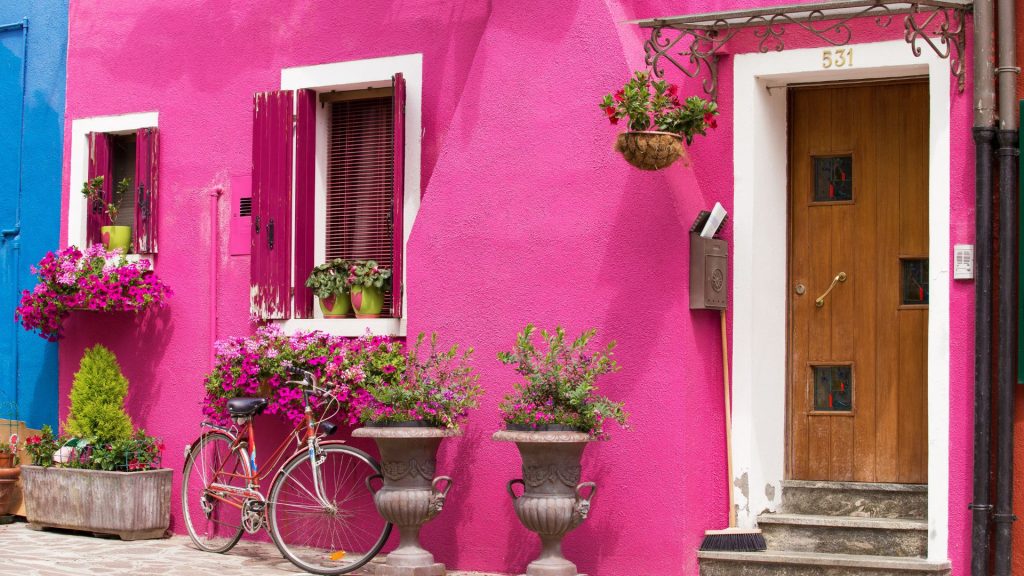
3. Create Colour Zones
Use different palettes in different corners:
- Warm tones in common areas
- Cool tones where you want calm
- Bright tones where you need energy
4. Change Palettes Seasonally
Soft pink in spring, terracotta in autumn, deep green in winter — easy, affordable, beautiful.
5. Use vases intentionally
Your vase colour doubles the impact of your flowers.
Transparent = light and airy
Black/ceramic = modern and bold
Pastel = soft and cosy
Colour Mistakes to Avoid
- Using too many colours at once (the room gets chaotic)
- Forgetting about lighting — warm light changes how flowers look
- Mixing clashing tones (e.g., bright yellow + cool lavender)
- Ignoring your home’s existing palette
Keep it simple, and your arrangements look instantly more stylish.
Final Thoughts
In 2026, floral design isn’t just about the flowers — it’s about the story their colours tell.
A small shift in palette can bring calm to a stressful week, energy to a slow morning, or warmth to a cold room. You don’t need design experience; just a little curiosity and a few stems.
If you want, I can write more themes like:
✔ Flower palettes for small apartments
✔ 2026 wedding colour trends
✔ Seasonal colour stories
✔ Colour psychology explained through flowers
Хочеш продовжити? Just say “ще одну тему”!
Living in a small space doesn’t mean you can’t enjoy flowers — in fact, compact homes often look even better with the right floral touches.
You don’t need giant arrangements or complicated décor.
In 2026, the trend is all about micro-moments: small, thoughtful floral details that make a room feel bigger, brighter, and more alive.
Here’s your guide to flower styling for small apartments, studios, and cosy homes — friendly, practical, and actually doable.
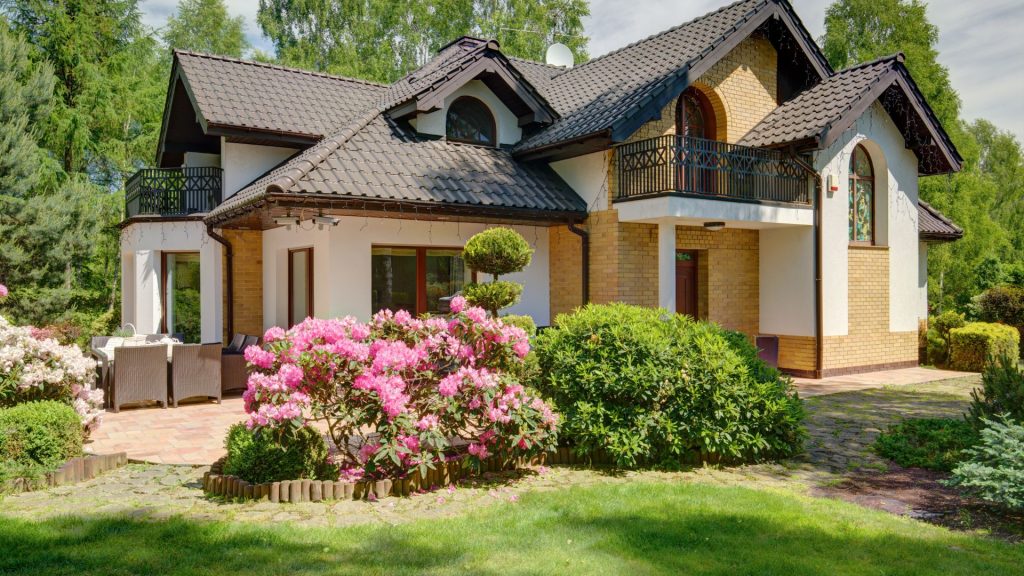
Why Flowers Work So Well in Small Spaces
They add instant life
Even one bloom changes the energy of an entire room.
They make small spaces feel intentional
A tiny vase on a shelf or table creates the feeling of “I designed this space on purpose.”
They bring colour without clutter
Flowers offer visual interest without adding heavy objects.
They soften sharp corners & tight layouts
Perfect for boxy apartments or minimalist interiors.
The Best Flowers for Small Spaces in 2026
1. Mini Spray Roses
Delicate, long-lasting, and perfect for small vessels.
2. Ranunculus
Light, airy, and sculptural without taking up space.
3. Anemones
Elegant and eye-catching — a single stem is enough.
4. Carnations (modern and chic in 2026)
They’re affordable and look gorgeous in small clusters.
5. Orchids
Minimalist and vertical — ideal for cramped areas.
6. Eucalyptus
Adds freshness without overwhelming the room.
Small Space Floral Tricks That Make a Big Difference
1. Go vertical, not horizontal
Tall stems in slim vases draw the eye upward and make rooms feel taller.
2. Use mini arrangements instead of bouquets
A few tiny vases placed intentionally look more spacious than one large arrangement.
3. Add flowers to “unused corners”
Place flowers:
- on a windowsill
- next to a lamp
- on a bathroom shelf
- near the bedside
These small touches add charm without crowding.
4. Stick to one colour palette
Monochrome flowers (all white, all blush, all mauve) make the space feel cleaner and less cramped.
5. Use transparent or light-coloured vases
They disappear visually and keep the room feeling airy.
6. Mix flowers with greenery for volume
You get height without bulk — eucalyptus is perfect for this.
How to Choose Flowers Based on Your Space Layout
For Studio Apartments
Create zones with flowers — one for work, one for relaxation, one for dining.
For Small Bedrooms
Use calming tones like white, mauve, lavender, or peach.
Avoid heavy scents if you’re sensitive.
For Bathrooms
Mini carnations, eucalyptus, or a single rose — classy, unexpected, hotel-like.
For Kitchen Corners
Bright flowers like gerberas or yellow spray roses bring energy into everyday routines.
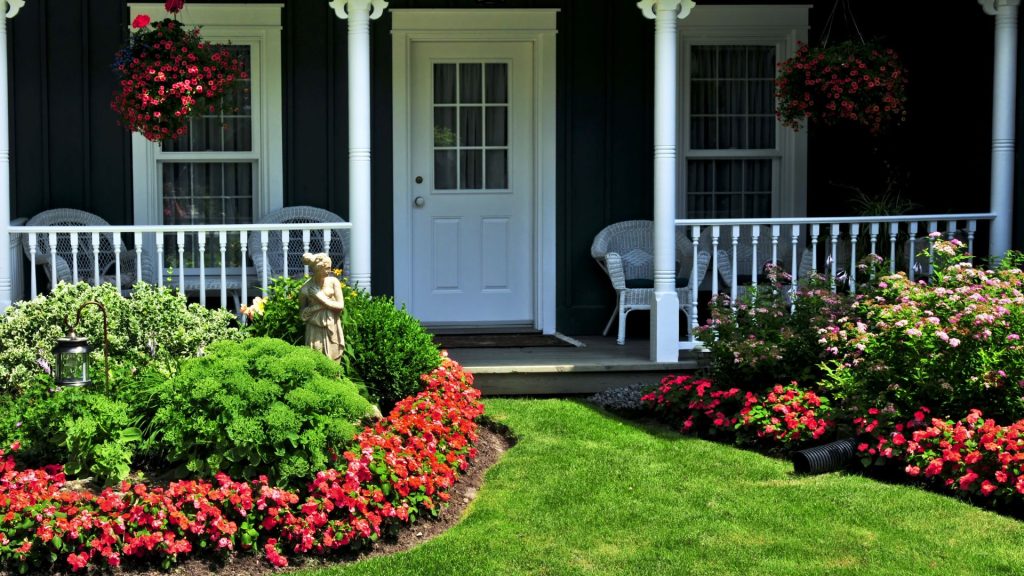
Small Space Mistakes to Avoid
- Oversized bouquets that take over the room
- Too many colours clashing in a tiny area
- Strongly scented flowers in bedrooms or small kitchens
- Heavy, dark vases that visually shrink the room
Keep it light, simple, cohesive.
Budget-Friendly Small Space Ideas
1. The Three-Bud-Vase Trick
One bouquet → divide into three tiny arrangements → place around the home.
2. A single dramatic stem
One amaryllis or orchid stem makes a bold, modern statement.
3. Use recycled jars or bottles
They look charming and save money.
4. Seasonal market flowers
Fresh, affordable, and perfect for weekly refreshes.
Final Thoughts
Small spaces don’t limit your creativity — they sharpen it.
With just a few smart choices, flowers can make even the tiniest apartment feel brighter, softer, and beautifully styled. You don’t need a lot of room, and you definitely don’t need a big budget.
If you want another article, I can create topics like:
✔ Flower styling for minimalistic homes
✔ 2026 décor trends using flowers
✔ Micro-bouquets and tiny arrangements
✔ Scandinavian floral aesthetics
✔ Colour palettes for small apartments
Хочеш ще одну тему?
Thinking about leaving the hustle of NYC but still want easy access to the city? You’re not alone. In 2026, more people than ever are crossing state lines and setting up a new life in Connecticut — and for good reason.
From lower rent to great schools and quick train rides to Manhattan, southern Connecticut is becoming the go-to for families, commuters, and remote workers who want more space without losing connection to New York’s energy.
Here’s a guide to the best Connecticut towns near NYC that offer the perfect mix of lifestyle, commute, affordability, and community in 2026.
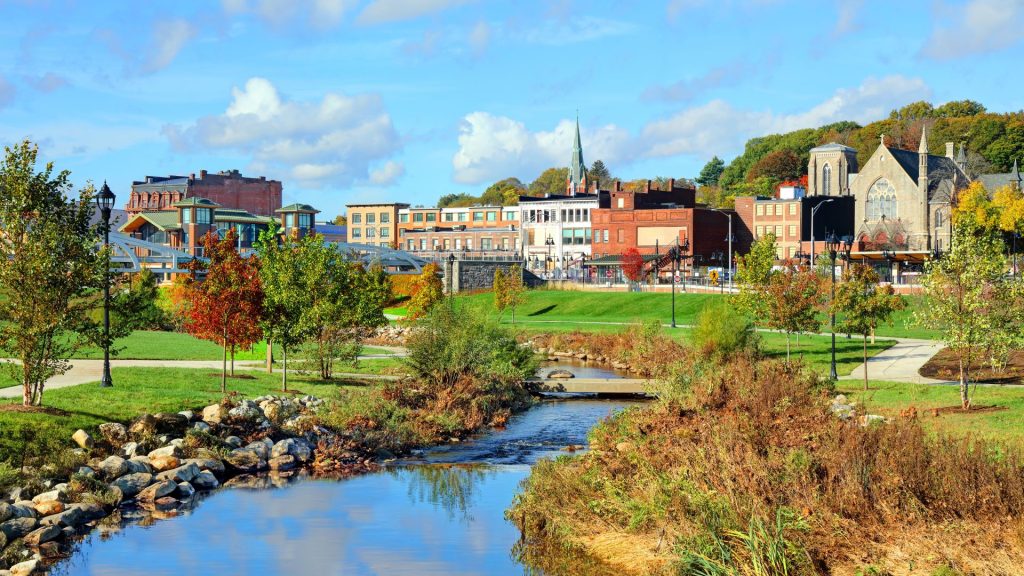
1. Stamford, CT
The best all-around choice for city lovers who want to slow down just a little.
Why live here:
- Only 50 minutes to Grand Central on the Metro-North
- Big city feel with restaurants, bars, gyms, and waterfront parks
- Tons of job opportunities in finance, tech, and healthcare
- Great schools, high-end apartments, and family-friendly neighborhoods
Who it’s for: Professionals, couples, and young families who want urban convenience without NYC rent.
2. Greenwich, CT
One of the most upscale and beautiful towns near NYC.
What makes it great:
- 40 minutes to NYC on express train
- Gorgeous homes, tree-lined streets, and top-tier public schools
- Beaches, golf courses, and a charming downtown
- Strong community vibe with events, farmers markets, and art festivals
The catch? It’s pricey. But if you’ve got the budget, it’s unbeatable.
3. Norwalk, CT
An underrated gem with a mix of city access and coastal charm.
Perks of Norwalk:
- 65–75 minutes to NYC by train
- More affordable housing than Stamford or Greenwich
- Revitalized waterfront district, breweries, and local businesses
- Close to beaches and hiking trails
Who’s moving here: Remote workers, creatives, and families looking for value + community.
4. Darien, CT
Small-town feel with elite-level schools and quick city access.
Why it’s worth a look:
- Just 55 minutes to NYC on Metro-North
- Extremely safe and walkable
- Known for excellent public schools and clean neighborhoods
- Upscale, quiet, and great for raising kids
Downside: Very residential, very quiet — not much nightlife. But if that’s your goal, it’s perfect.
5. New Canaan, CT
The postcard-perfect Connecticut town with a short train to NYC.
Highlights:
- One hour to Manhattan by train
- Beautiful homes, top schools, and boutique downtown shopping
- Strong sense of community with lots of family events and town pride
- Great for those seeking space, peace, and charm
Ideal for: Families and professionals who want suburban living with occasional city days.
6. Westport, CT
Where the city’s creative class goes to grow roots.
What to know:
- 70 minutes to NYC, but worth the ride
- Artistic, stylish, and full of personality
- High-end restaurants, beach access, and lots of culture
- Strong public schools and family activities
Best for: Writers, designers, entrepreneurs, and anyone who loves a creative but calm lifestyle.
7. Fairfield, CT
College-town energy with a family-friendly vibe.
What stands out:
- About 75–85 minutes to NYC
- Two Metro-North stations make commuting flexible
- Good schools, affordable housing, and a downtown that’s always buzzing
- Close to beaches and the University of Fairfield
Why people love it: A little more affordable than Westport, but just as coastal and cool.
8. Ridgefield, CT
A bit farther out, but totally worth the space and beauty.
What it offers:
- 90–100 minutes to NYC, but with scenic train routes
- Rolling hills, forest, and a charming downtown
- Excellent schools, great for working-from-home families
- More rural, but not isolated
If you want: Quiet, space, nature, and occasional NYC weekends — this is it.
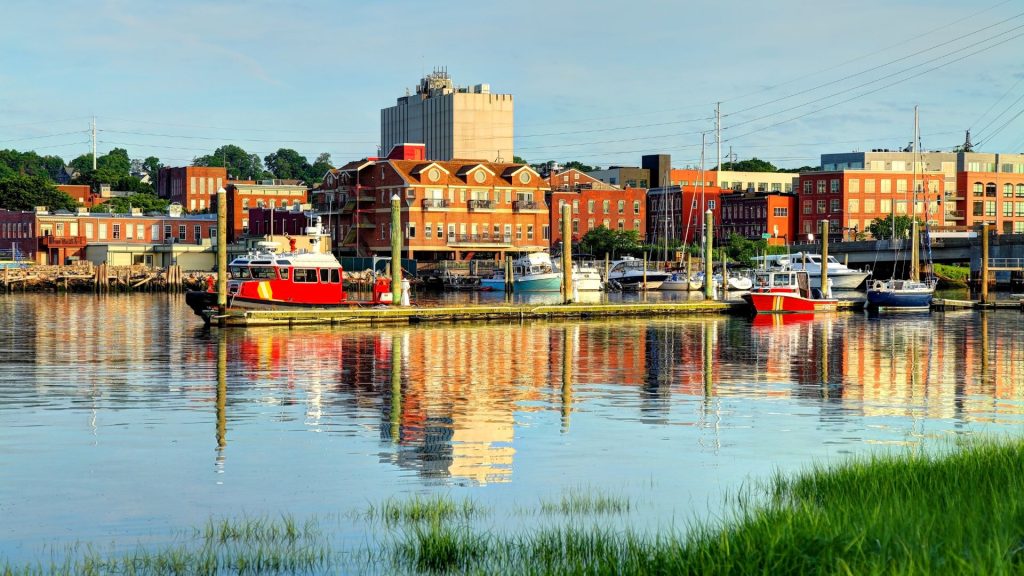
9. New Haven, CT (Bonus Pick)
Farther out but a real city with character — and Yale.
Why some choose New Haven:
- About 2 hours to NYC, but possible for hybrid workers
- Vibrant downtown, diverse food scene, and rich culture
- Lower cost of living than southwestern CT
- Strong arts, education, and healthcare industries
Great for: Remote workers, academics, and artists who want affordability and urban life.
Key Factors to Consider When Choosing a Connecticut Town
- Commute time: How often will you go to NYC?
- Lifestyle: Urban vibe or small-town peace?
- Schools: Public or private? Raising kids?
- Budget: Prices vary wildly between towns.
- Community: Do you want events, nightlife, or just quiet?
Final Thoughts: City Access, Suburban Peace
Living near New York City without actually living in it has never made more sense than in 2026. With remote work now the norm and Connecticut investing in livability, you can get space, calm, affordability, and access — all within one train ride.
Whether you’re a city-weary couple, a growing family, or a solo remote worker craving balance, there’s a Connecticut town with your name on it.
Let’s be honest — most New Yorkers think they know Connecticut. It’s where you take the Metro-North to visit your in-laws in Greenwich, or maybe hit up a Yale game in New Haven. But outside of the familiar cities and well-worn commuter towns, Connecticut hides some seriously underrated spots that are way cooler than you think.
If you’re craving something different — less crowded, more authentic, and low-key stunning — here’s your insider guide to Connecticut’s hidden gems that most New Yorkers have never even heard of.
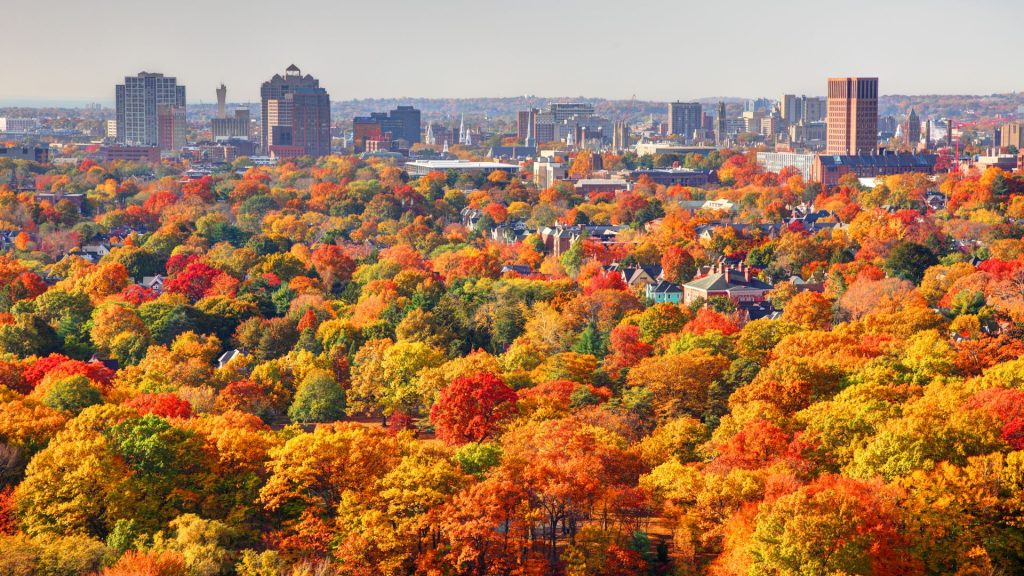
1. Kent: A Peaceful Escape in Litchfield Hills
Located in the northwestern corner of the state, Kent is a small, artsy town surrounded by mountains, waterfalls, and hiking trails.
Why go:
- Home to Kent Falls State Park — yes, actual waterfalls
- The Appalachian Trail runs right through town
- Cute downtown with indie bookstores, coffee shops, and art galleries
- Way less crowded than Hudson Valley
Local tip: Go in the fall for foliage that rivals upstate NY — with half the traffic.
2. Chester: The Cutest Small Town You’ve Never Heard Of
This riverside village looks like a postcard and feels like a movie set (in the best way). But it’s not just cute — it’s full of creative energy.
What makes it special:
- Art galleries, studios, and boutique shops line the walkable main street
- Home to The Good Elephant, a must-visit modern Indian bistro
- Ferry across the Connecticut River to Gillette Castle (yes, an actual stone castle)
- Small-town charm with real personality
New Yorkers love: It’s only a 2.5-hour drive, but it feels like a world away.
3. Collinsville: A Vintage Mill Town Turned Creative Haven
This former axe-manufacturing hub is now a quirky, riverside village that’s perfect for a chill day trip or low-key weekend.
Highlights:
- Rent a bike and ride the Farmington River Trail
- Explore antique stores and local artisan shops
- Grab brunch at LaSalle Market or craft beer at Brewery Legitimus
- Live music and riverside events all summer long
Vibe check: Think Brooklyn meets Vermont — without the crowds or pretension.
4. Essex: New England Charm, Pure and Simple
Want that classic coastal New England experience without driving all the way to Maine? Essex delivers — hard.
What to do:
- Stroll the harbor, watch the sailboats, and check out the 18th-century homes
- Ride the Essex Steam Train through forests and river valleys
- Explore small museums and maritime history
- Dine waterside at Griswold Inn, one of the oldest taverns in America
Pro move: Take the riverboat ride from Essex to spot eagles in spring.
5. Devil’s Hopyard State Park: A Secret Outdoor Paradise
Strange name, beautiful place. Devil’s Hopyard, located in East Haddam, is one of Connecticut’s best-kept nature secrets.
Why it’s worth it:
- Stunning waterfall called Chapman Falls
- Woodsy trails, stone bridges, and swimming spots
- Quiet, uncrowded, and absolutely Instagram-worthy
- Great for hiking, picnics, or just escaping the city noise
Bonus: It’s less than 3 hours from NYC — perfect for a spontaneous nature fix.
6. Guilford: Historic and Coastal With Serious Foodie Energy
Guilford’s downtown green is one of the prettiest in New England — and the whole town is steeped in colonial charm and coastal cool.
Best bits:
- Grab a lobster roll at The Place, an open-air seafood shack with tree stumps for chairs
- Shop local at indie bookstores and artisan boutiques
- Take a walk or kayak at Jacobs Beach
- Check out the Henry Whitfield House, the oldest stone house in CT (built in 1639!)
Food lovers: This is where locals go to eat when they don’t want to deal with Mystic’s summer crowds.
7. Wethersfield: The Oldest Town You’ve Never Been To
Just outside of Hartford, Wethersfield is packed with colonial history — and almost zero tourists.
What to explore:
- Over 100 historic homes from the 1600s and 1700s
- Gorgeous walking paths along the river
- Heirloom orchards, farmers markets, and local cider
- Quiet but rich in atmosphere
It’s a great place to slow down and soak in the past — no admission ticket required.
8. Stonington Borough: Mystic’s Cooler, Quieter Neighbor
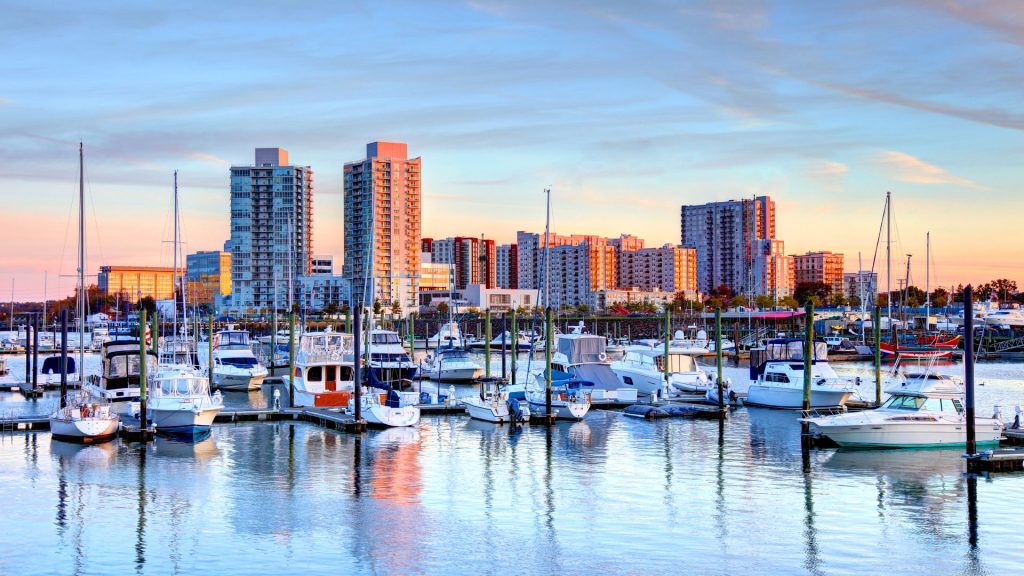
Skip the Mystic crowds and head straight for Stonington Borough, a tiny seaside village that feels more like Maine than Connecticut.
Why it’s a hidden gem:
- Picture-perfect lighthouse and harbor views
- Wine tastings at Saltwater Farm Vineyard
- Walkable downtown with art galleries and seafood spots
- Romantic, slow, and refreshingly not-overrun
Insider tip: Stay at a local inn or B&B — it’s peak coastal New England vibes.
9. The Thimble Islands: A Secret Island Chain in Long Island Sound
Yes — Connecticut has its own island chain. And most New Yorkers have no idea.
What makes it magical:
- Tiny islands off the coast of Branford, dotted with summer cottages
- Boat tours let you cruise past private homes and rocky islets
- Peaceful, weirdly whimsical, and totally unexpected
- Some legends say pirates used to hide treasure here
No passport needed. Just bring a camera and an open mind.
Final Thoughts: Connecticut Is Way More Than a NYC Suburb
Most New Yorkers think of Connecticut as either “commuter town central” or “the place with Yale and Mystic Pizza.” But there’s so much more — and it’s right under your nose.
Whether you’re into hiking, history, coastal drives, craft beer, or just not dealing with weekend crowds, there’s a Connecticut town or trail waiting for you.
And the best part? You can do it all without ever leaving the tri-state area.
Back in the day, living outside New York City meant you were either committed to a long commute or totally out of the loop. But in 2026, remote work has flipped that script — and Connecticut is booming because of it.
As more professionals rethink what work-life balance actually means, a growing number of New Yorkers are packing their bags, ditching the studio apartments, and heading to Connecticut towns that offer more space, lower costs, and shockingly strong Wi-Fi.
So, why is Connecticut winning the remote work migration in 2026? Let’s break it down.
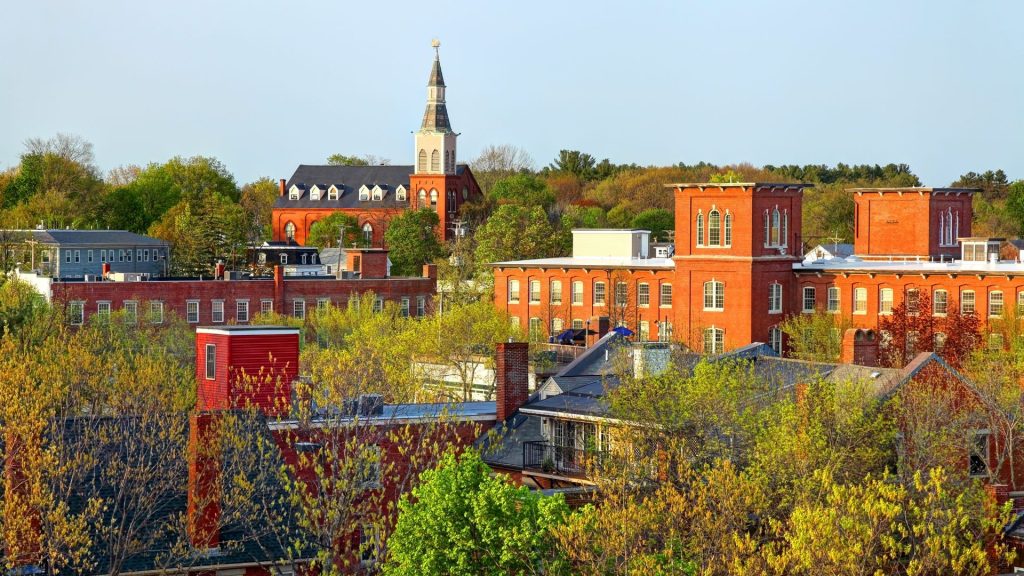
1. Remote Work Is No Longer Just an Option — It’s the Norm
By 2026, remote and hybrid jobs are standard across industries — especially in tech, finance, marketing, education, and consulting.
- Many NYC-based companies now offer 3-day remote / 2-day office hybrid setups.
- Others are fully remote but host monthly or quarterly meetups in the city.
- Freelancers, entrepreneurs, and digital nomads can work from anywhere — and many choose CT for proximity and peace.
That shift means people no longer need to live in Manhattan to build their careers.
2. Cost of Living in NYC? Still Brutal
Compare the numbers (2026 averages):
| Expense | NYC | Connecticut (Stamford/Fairfield) |
| 1-Bedroom Rent | $3,800 | $2,200 |
| Childcare | $3,000/month | $1,600/month |
| Groceries | $600+ | $450 |
| Utilities & Internet | $250 | $180 |
Savings are real. For the same monthly income, Connecticut residents often save 20–30% more, with no downgrade in quality of life.
3. You Get Space in Connecticut
Let’s be honest — working from your laptop on a kitchen stool in a 500 sq. ft. Brooklyn apartment isn’t ideal.
What you get in CT:
- A dedicated home office or even a whole extra room
- Yards, driveways, porches, and peaceful surroundings
- Fast fiber internet and fewer distractions
- Space to breathe, create, build routines
This is a major win for focus, productivity, and mental health — without sacrificing career ambition.
4. Commutes Are Now Optional, Not Required
One reason Connecticut used to be a hard sell for NYC workers? The commute. But now?
- Most professionals only commute 1–2 times per week
- Towns like Stamford, Greenwich, Norwalk, and Fairfield are under 75 minutes from Manhattan by train
- Flexible schedules make train rides way less painful (no packed rush hour every day)
You can enjoy weekday quiet and make it to a Thursday client dinner in SoHo — best of both worlds.
5. Lifestyle Perks: Calm, Community, and Culture
What remote workers love about CT:
- Quiet mornings and nature access
- Local cafés with strong Wi-Fi and zero crowds
- More time for hobbies, fitness, and personal growth
- Great schools, safer neighborhoods, and no constant sirens
Connecticut isn’t boring — it’s balanced. And that’s something many burned-out city workers are craving in 2026.
6. Local Communities Are Evolving Around Remote Work
Connecticut towns are adapting fast to welcome this new professional class.
- New co-working spaces popping up in town centers
- Remote-friendly cafés, libraries, and community hubs
- Workshops, networking events, and startup incubators
- Weekly farmers markets, festivals, and local businesses run by former NYC residents
You don’t have to choose between success and community anymore — CT offers both.
7. Real Estate Is Still Competitive — But More Accessible
Yes, housing prices have gone up in places like Greenwich and Westport. But compared to NYC? It’s still a deal.
- Many professionals in 2026 are buying homes in CT with monthly payments that match (or beat) NYC rent
- Starter homes and condos are more available in towns like Milford, Danbury, or Newtown
- Some employers are even offering relocation incentives to employees who move to commuter-accessible towns
And let’s be real: owning a home with a backyard > renting a 6th-floor walk-up.
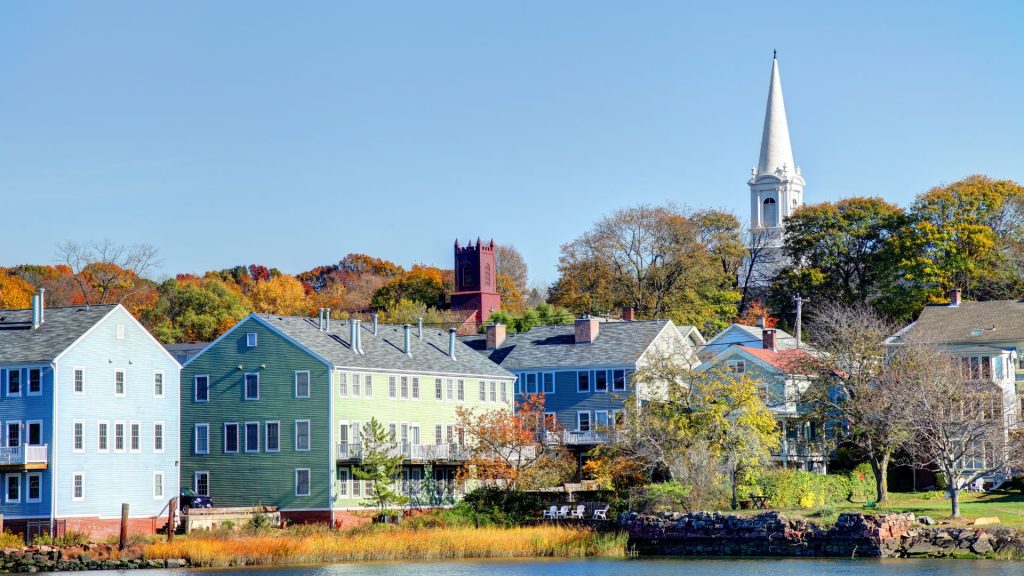
8. It’s Not “Leaving” NYC — It’s Expanding Your World
Moving to Connecticut doesn’t mean you’re abandoning NYC — far from it.
- You’re still close enough for meetings, concerts, dinners, or client visits
- Metro-North makes weekend trips seamless
- You’re building a lifestyle that supports both career growth and personal peace
A lot of 2026 professionals live in CT and say they’re more connected to the parts of NYC that matter — because they actually enjoy them now, not just survive them.
9. Who’s Making the Move?
The 2026 Connecticut newcomers:
- Young professionals in remote tech or finance roles
- Creative freelancers and content creators
- Families looking for top schools and more space
- Entrepreneurs building from home or small-town studios
- Even retired city dwellers downsizing into peace
This isn’t a trend — it’s a movement.
Final Thoughts: Remote Work Made Connecticut Cool
In 2026, Connecticut isn’t just a “safe suburb” anymore. It’s a strategic, smart, and surprisingly vibrant place to build your life and career — especially for those coming from the high-cost grind of New York City.
If you’re ready for:
- More space
- Lower stress
- A fresh routine
- And still being just a train ride from the action…
Connecticut might be your next move.
New York is always changing — that’s part of the magic. But in 2026, with shifting work habits, updated infrastructure, and a new wave of creative energy, certain neighborhoods are getting hotter than ever. Some are former underdogs now full of cool cafés and startups. Others are old favorites that are finally getting the attention (and investment) they deserve.
So whether you’re hunting for your next home, your next business location, or just a fresh vibe, here are the NYC neighborhoods on the rise in 2026 — and why they’re worth watching.
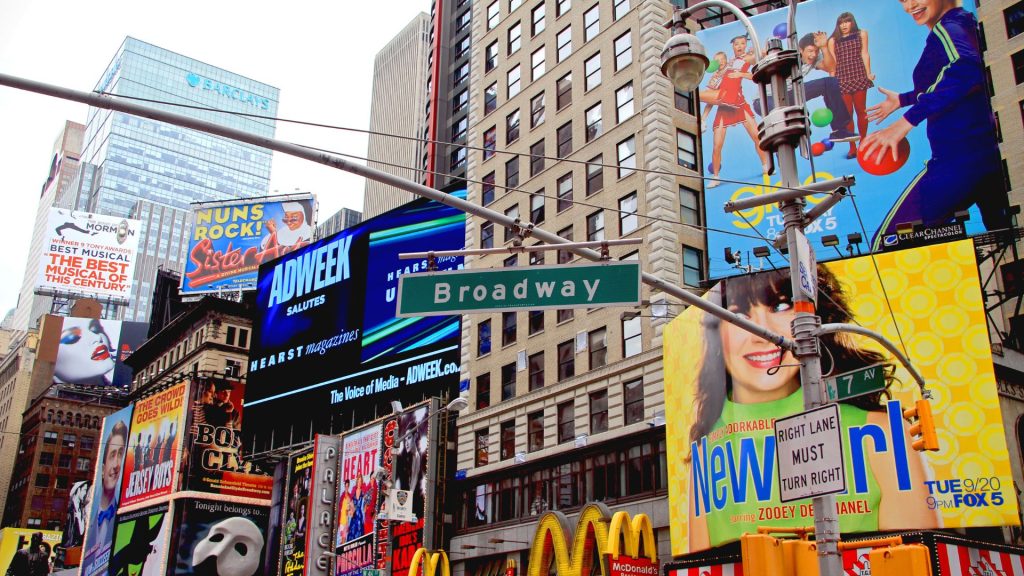
1. Ridgewood, Queens
Why it’s rising:
- Overlap with hipster Brooklyn energy (it’s right next to Bushwick)
- Slightly more affordable rent than Williamsburg
- Massive growth in local cafés, music venues, and galleries
- Quiet residential pockets + vibrant creative scene
The 2026 vibe: Brooklyn-style creativity without Brooklyn-level rent.
2. Gowanus, Brooklyn
What’s changing:
- Major infrastructure upgrades, including canal cleanup and new parks
- Rezoning led to a wave of new residential and mixed-use developments
- Home to artists, makers, and upscale cocktail bars
- Fast access to Manhattan via the F and R trains
Expect: A mix of warehouse grit and glossy modern lofts — perfect for professionals, artists, and investors.
3. Harlem, Manhattan (Especially East Harlem)
Why it’s buzzing:
- Continued investment in housing, retail, and the 2nd Avenue Subway expansion
- Thriving local food scene, live music, and cultural spaces
- Rising demand among young professionals and first-time buyers
- Still retains deep community roots and history
Harlem in 2026: Stylish, soulful, and full of forward momentum.
4. The Bronx — Mott Haven & Port Morris
What’s happening:
- Massive new developments like Bankside have transformed the South Bronx waterfront
- Industrial buildings converted into lofts, co-working spaces, and breweries
- Young creatives priced out of Brooklyn are settling in
- Still relatively affordable — for now
Warning: The secret’s out. Get in early if you want in.
5. Sunset Park, Brooklyn
What’s hot:
- The Industry City complex continues to grow as a hub for design, tech, and food
- Strong immigrant roots — amazing food from around the world
- Bayfront views and growing access to green space
- A favorite among remote workers and creatives
Local vibe: Industrial edge + global flavor + startup energy.
6. Downtown Jamaica, Queens
Why it’s growing:
- Huge transit hub with JFK AirTrain + E, J, Z trains
- Major city-led redevelopment projects
- New residential high-rises attracting young professionals
- More affordable than Long Island City or Astoria
Bonus: Close to the airport — ideal for frequent flyers.

7. Greenpoint, Brooklyn
What’s evolving:
- Long-time neighbor to Williamsburg, now taking center stage
- High-end waterfront development, restaurants, and boutiques
- Beautiful views of the Manhattan skyline
- Quiet, polished, but still artsy
In 2026: It’s officially not “up-and-coming” — it’s arrived.
8. Crown Heights, Brooklyn
Still rising:
- Central location with access to Prospect Park, Brooklyn Museum, and Botanic Garden
- Diverse, vibrant, and full of history
- New coffee shops, restaurants, and boutiques popping up weekly
- A sweet spot for people priced out of Park Slope or Fort Greene
Key draw: Community + culture + convenience.
9. Astoria, Queens (Again)
Why it’s trending again:
- Rents remain more reasonable than Manhattan
- More remote workers are choosing it for good food, solid Wi-Fi, and chill energy
- Close to the city but feels like its own little universe
- Great mix of old-school charm and modern growth
Still a favorite for first-time renters and creatives.
10. Bay Ridge, Brooklyn
Quietly growing:
- Feels like a small town in the city — with amazing views of the Verrazzano Bridge
- More young families moving in for affordability and space
- Great food scene and strong local community
- Slightly longer commute, but many say it’s worth it
If you want: Space, culture, and old-school NYC energy — Bay Ridge delivers.
Honorable Mentions for 2026:
- Bed-Stuy, Brooklyn: Rising rents, but still full of soul and culture
- Inwood, Manhattan: Great parks and green space, especially for uptown lovers
- Bushwick, Brooklyn: Still buzzing, still edgy — but no longer a secret