





Many people believe that buyers choose a property during a viewing. In reality, that decision often starts much earlier.
Long before someone walks through the front door, they are already forming opinions, building emotional connections, and imagining their future life inside the property.
Understanding this psychology can help real estate agents market homes more effectively and create content that resonates with potential buyers.
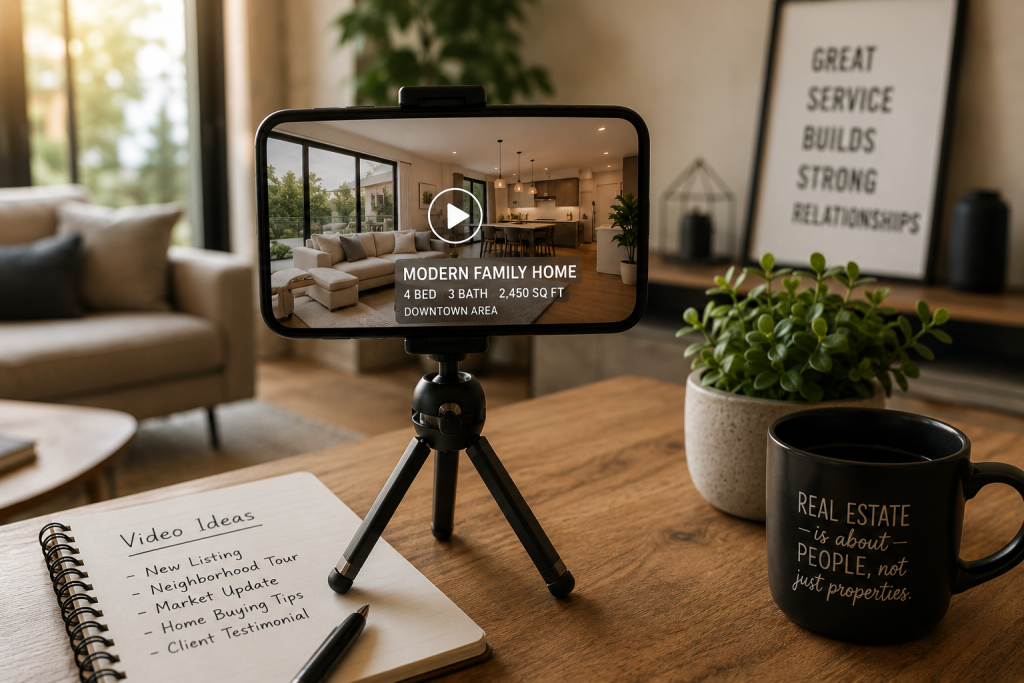
Property Purchases Are Emotional Decisions
While buyers often focus on practical considerations such as budget, location, and property size, emotions play a surprisingly large role in decision-making.
People don’t simply buy square footage.
They buy:
- A lifestyle
- A feeling of comfort
- A sense of achievement
- Future memories
- A vision of daily life
This emotional connection often begins the moment they first discover a property online.
First Impressions Happen Faster Than You Think
Research consistently shows that people form first impressions within seconds.
When browsing property listings, buyers quickly decide:
- Is this property interesting?
- Does it fit my lifestyle?
- Can I imagine living there?
- Should I learn more?
If the answer is yes, they continue exploring. If not, they move on immediately.
This is why presentation matters so much.
Storytelling Sells More Than Features
Many property listings focus entirely on specifications:
- 4 bedrooms
- 3 bathrooms
- 2,500 square feet
- Double garage
While these details are important, they rarely create excitement.
Storytelling helps buyers picture themselves living in the space.
Instead of showing a dining room, imagine helping buyers picture family dinners.
Instead of highlighting a garden, imagine helping them visualise summer evenings with friends.
Properties become more memorable when people can imagine experiences rather than simply seeing features.
Video Creates Stronger Emotional Connections
Photos are powerful, but video adds movement, atmosphere, and personality.
A video can demonstrate:
- Natural light
- Room flow
- Neighbourhood surroundings
- Architectural details
- Lifestyle opportunities
These elements help buyers understand not only what a property looks like but how it feels.
This is one reason video has become such an important part of modern real estate marketing.
Buyers Want Confidence Before They Visit
Property viewings require time and effort.
Most buyers want to feel reasonably confident before scheduling an appointment.
High-quality content helps answer questions early and reduces uncertainty.
The more information buyers receive beforehand, the more likely they are to take the next step.
Technology Is Changing Buyer Expectations
Today’s buyers are accustomed to consuming content through social media, video platforms, and mobile devices.
They expect property marketing to be equally engaging.
Modern tools such as Momenzo allow agents to create professional property videos, walkthroughs, and branded content quickly, helping listings meet the expectations of today’s digital-first audience.
The Future of Property Marketing
As competition continues to grow, simply listing a property is no longer enough.
Agents who understand buyer psychology and create engaging visual experiences will be better positioned to attract attention and generate interest.
The most successful marketing doesn’t just show a property.
It helps buyers imagine a future.
Final Thoughts
People rarely buy a property because of a single feature.
They buy because they can picture themselves living there.
The earlier agents can help buyers create that emotional connection, the more likely a property is to stand out in a crowded market.
In many cases, buyers begin falling in love with a home long before they ever step inside.
The marketing industry in the United States is honestly one of the most aggressive, creative, competitive, and influential business environments in the world. Trends born in America often spread globally within months. Whether it’s social media strategy, influencer culture, AI-driven advertising, or viral brand campaigns, the US market usually pushes innovation first and forces everyone else to adapt later.
At the same time, American consumers are incredibly difficult to impress now. People in the US see nonstop advertising every single day — on phones, streaming platforms, billboards, podcasts, YouTube, social media, apps, and even inside grocery stores. Attention became one of the most valuable currencies in business.
That means brands constantly compete not only against direct competitors but against literally all internet content fighting for consumer focus.
The US market is also massive and extremely diverse. Marketing strategies that work in California may completely fail in Texas or New York. Different regions, cultures, income levels, age groups, and political attitudes all influence buying behavior. A successful American marketing campaign usually understands exactly who it targets instead of trying to appeal to everyone at once.
Another thing shaping marketing in the USA is speed. Trends move insanely fast. A product can go viral overnight through TikTok, sell out nationally in 48 hours, then disappear from public attention two weeks later. Brands constantly adapt because consumer attention shifts almost nonstop.
Digital Marketing Runs Almost Everything
Modern marketing in the United States revolves heavily around digital platforms. Most businesses now invest far more into online marketing than traditional advertising because that’s where customers spend their time.
The biggest channels include:
| Marketing Channel | Importance in USA |
| Google Search | Extremely high |
| Major consumer influence | |
| TikTok | Viral growth platform |
| YouTube | Massive engagement |
| Strong B2B marketing | |
| Email marketing | Still highly profitable |
SEO became one of the most important long-term strategies because American consumers constantly search online before making purchasing decisions. Businesses that rank high on Google gain enormous advantages in visibility and trust.
Paid advertising also dominates the market, but costs increased dramatically over recent years. Competition on platforms like Google and Meta became intense, especially in industries like:
- Real estate
- Legal services
- Healthcare
- Finance
- E-commerce
- Technology
Because ad prices keep rising, many brands now focus more on content marketing and community building instead of relying only on paid traffic.
Social Media Completely Changed Consumer Behavior
Social media in America isn’t just entertainment anymore — it directly shapes shopping habits, opinions, trends, and even personal identity.
Platforms like TikTok and Instagram transformed how products spread through culture. A random creator posting about skincare, fashion, food, or gadgets can suddenly generate millions of dollars in sales within days.
This created the rise of:
- Influencer marketing
- Creator partnerships
- Viral product launches
- Short-form video campaigns
- Lifestyle branding
American consumers increasingly trust creators and online personalities more than traditional celebrity advertising.
At the same time, audiences became smarter and more skeptical. People recognize fake sponsorships quickly. Brands that force trends too hard often get mocked online instead of praised.
Authenticity became incredibly important, especially among younger generations.
American Consumers Buy Emotion First
One fascinating thing about US marketing culture is how emotional it often becomes. American advertising rarely focuses only on products themselves. Instead, brands usually sell identity, aspiration, lifestyle, or emotional transformation.
Companies market ideas like:
- Freedom
- Confidence
- Success
- Self-improvement
- Happiness
- Individuality
This emotional branding works strongly in the US because consumer culture there is deeply connected to personal identity. People often express themselves through the products they buy, the brands they support, and the experiences they share online.
That’s why storytelling became such a huge part of modern marketing. Customers want to feel connected emotionally instead of simply hearing product features.
Influencer Marketing Became a Billion-Dollar Industry
The influencer economy exploded in the United States faster than almost anywhere else. Social media creators now influence everything from fashion and fitness to finance and politics.
Brands collaborate with:
| Influencer Category | Popular Industries |
| Lifestyle creators | Fashion & beauty |
| Fitness influencers | Health products |
| Tech reviewers | Electronics |
| Parenting creators | Family brands |
| Finance influencers | Investing & apps |
Micro-influencers became especially valuable because audiences often trust smaller creators more than giant celebrity accounts.
What’s interesting is that influencer marketing no longer feels optional for many brands. In some industries, creators directly shape what products become culturally relevant.
TikTok especially changed the speed of trend cycles. Products can become wildly popular almost overnight based on viral videos alone.
Branding Matters More Than Ever
American consumers now have endless choices in almost every industry. Because of that, branding became one of the strongest competitive advantages businesses can build.
People often choose brands based on:
- Personality
- Values
- Aesthetics
- Social identity
- Online reputation
- Community feeling
Visual identity matters massively too. Logos, packaging, websites, social feeds, and video content all contribute to how consumers emotionally perceive brands.
Some companies even intentionally build “internet personalities” online through humor, memes, sarcasm, or relatable content.
This approach works especially well with younger audiences who prefer brands that feel human rather than overly corporate.
AI Is Reshaping American Marketing Fast
Artificial intelligence is rapidly changing how US businesses approach marketing. Companies increasingly use AI tools for:
- Content generation
- Customer support
- Ad optimization
- Audience targeting
- Predictive analytics
- SEO automation
Large corporations invest heavily into AI-driven personalization because consumers now expect highly tailored experiences online.
At the same time, there’s growing concern about losing authenticity. Customers still respond strongly to human creativity and emotional storytelling, so businesses try balancing automation with genuine brand personality.
AI also accelerated content production massively. Brands now create huge amounts of videos, ads, graphics, and social posts far faster than before.
Video Content Dominates Attention
Video became the king of American marketing. Short-form content especially changed how brands communicate with audiences.
Consumers now prefer:
- Quick tutorials
- Product demonstrations
- Entertaining clips
- Founder stories
- Behind-the-scenes videos
- User-generated content
TikTok, YouTube Shorts, and Instagram Reels completely reshaped marketing strategies because people increasingly consume information visually instead of reading long text.
Even small businesses now prioritize video production because attention spans online became shorter and more competitive.
Interestingly, highly polished commercials don’t always perform best anymore. Sometimes casual smartphone videos outperform expensive campaigns because they feel more authentic.
Data Privacy Became a Bigger Issue
As digital marketing expanded, privacy concerns grew too. American consumers became more aware of how companies track online behavior, collect personal information, and target ads.
This created pressure around:
- Data transparency
- Email marketing permissions
- Cookie tracking
- Personalized advertising
- Consumer protection laws
Tech changes also affected marketers heavily. Privacy updates reduced tracking accuracy on major advertising platforms, forcing businesses to rethink targeting strategies.
Many brands now focus more on building direct customer relationships through email lists, memberships, and communities instead of depending entirely on algorithm-based advertising systems.
E-Commerce Changed the Entire Economy
Online shopping transformed American marketing completely. Consumers now expect businesses to provide:
| Customer Expectation | Why It Matters |
| Fast delivery | Standard expectation |
| Mobile-friendly websites | Essential |
| Easy checkout | Higher conversion rates |
| Clear reviews | Builds trust |
| Flexible returns | Consumer confidence |
Reviews became insanely important. Many Americans read customer feedback before buying almost anything online.
Social proof now influences purchasing decisions heavily. Positive reviews, influencer recommendations, and user-generated content often matter more than traditional advertising itself.
The Future of Marketing in the USA
The American marketing industry keeps evolving faster every year. Technology, culture, and consumer psychology constantly shift together.
Several trends are shaping the future:
| Trend | Future Impact |
| AI-generated content | Faster production |
| Creator economy | More influencer power |
| Voice & AI search | SEO evolution |
| Video-first marketing | Higher engagement |
| Personalized advertising | Smarter targeting |
| Community-driven brands | Stronger loyalty |
One thing probably won’t change though: attention will remain incredibly valuable.
Brands that succeed long term usually understand something important — people don’t just buy products anymore. They buy experiences, identity, emotion, and trust.
Conclusion
Marketing in the USA combines technology, psychology, storytelling, and nonstop competition into one of the world’s most powerful business ecosystems. American consumers are constantly exposed to advertising, making creativity and authenticity more important than ever before.
Digital marketing dominates nearly every industry, especially social media, SEO, influencer partnerships, video content, and e-commerce branding. At the same time, emotional storytelling and strong brand identity continue shaping how people make buying decisions.
The market moves incredibly fast, trends change overnight, and competition stays intense. But businesses that understand consumer behavior and adapt quickly still find enormous opportunities inside the constantly evolving American economy.
Tenerife has this weird effect on people. A lot of tourists book a one-week vacation expecting beaches and sunshine, then suddenly start checking apartment prices before the trip even ends. The island has a completely different rhythm compared to most European destinations. Life feels slower but somehow more alive at the same time.
Located in Spain’s Canary Islands, Tenerife mixes volcanic landscapes, ocean views, tropical weather, mountain villages, nightlife, and laid-back beach culture all in one place. You can spend the morning hiking near volcanic cliffs, eat seafood by the ocean in the afternoon, and watch sunsets with live music at night without driving very far.
That variety is one reason tourism on the island keeps growing every year.
Unlike many seasonal beach destinations, Tenerife stays active almost year-round because of its climate. Even during winter, temperatures often feel warm enough for outdoor dining, swimming, and beach days. Northern Europeans especially love escaping cold weather and flying south for sunshine when their own cities turn grey and freezing.
The island also attracts completely different types of travelers at once. Some come for luxury resorts and rooftop cocktails. Others want surfing, hiking, or digital nomad life near the coast. Families, couples, retirees, backpackers, and remote workers all somehow fit into the same ecosystem.

The Beaches Feel Completely Different From Each Other
One thing tourists notice quickly in Tenerife is how different the beaches feel depending on where you go. Some areas have soft golden sand and calm water perfect for families. Others have dramatic black volcanic beaches with rougher waves and a much wilder atmosphere.
Southern Tenerife usually attracts tourists looking for sunny beach vacations because the weather stays warmer and drier there most of the year. Northern Tenerife feels greener, more local, and slightly less commercial.
Popular beach experiences on the island include:
- Black sand beaches
- Hidden volcanic coves
- Surf beaches
- Family-friendly resort areas
- Cliffside swimming spots
- Beach clubs with sunset views
The ocean also becomes a huge part of daily life. People spend hours near the water even when they’re not swimming. Long beach walks, sunset dinners, outdoor cafés, and coastal nightlife all shape the Tenerife lifestyle.
Restaurant Culture Is a Massive Part of the Experience
Food becomes a surprisingly important part of vacation life in Tenerife. Tourists often arrive expecting basic beach-town restaurants and leave realizing the island has a much more interesting food scene than expected.
Restaurants in Tenerife blend several influences together:
| Culinary Influence | Common Experience |
| Traditional Canary food | Local authenticity |
| Mediterranean cuisine | Fresh ingredients |
| Seafood culture | Coastal dining |
| International comfort food | Tourist demand |
| Healthy café culture | Remote worker lifestyle |
The island’s restaurant atmosphere also feels very social and relaxed. People spend long evenings eating outdoors, especially near the coast where ocean views completely change the mood.
Fresh seafood naturally dominates many menus because of the Atlantic location. Grilled fish, seafood rice dishes, local potatoes, and traditional sauces appear almost everywhere. Many tourists specifically search for small local restaurants instead of crowded tourist spots because they want more authentic experiences.
At the same time, Tenerife also has a growing modern food scene. Trendy brunch cafés, rooftop cocktail bars, vegan restaurants, and stylish oceanfront dining spaces became extremely popular over the last few years.
Sunset Dining Became Part of the Island Lifestyle
Honestly, sunsets in Tenerife almost feel fake sometimes. The sky turns orange, pink, purple, and gold over the Atlantic Ocean while volcanic mountains create dramatic silhouettes in the background.
Restaurants fully understand this advantage.
A lot of dining culture on the island revolves around timing dinner perfectly with sunset views. Coastal terraces fill up quickly during evening hours because people want the full experience — food, drinks, warm air, ocean sounds, and sunset all happening together.
This created huge demand for:
- Rooftop restaurants
- Oceanfront terraces
- Cliffside dining
- Outdoor cocktail lounges
- Sunset beach bars
Tourists increasingly prioritize atmosphere as much as food quality itself. A simple dinner feels completely different when waves crash nearby and the sky looks cinematic.
Tenerife Moves Slower Than Big Cities
One thing people either love or struggle with in Tenerife is the pace. The island doesn’t move with the same urgency as places like London, New York, or Berlin.
Meals last longer. People sit outside for hours. Restaurant service often feels more relaxed instead of rushed.
For stressed tourists, that slower rhythm becomes addictive after a few days.
You start noticing little things:
- Long conversations over coffee
- Families eating together late at night
- Musicians playing outdoors
- Quiet beach mornings
- People genuinely taking time to enjoy meals
That lifestyle difference is honestly part of the island’s appeal. Visitors aren’t just escaping weather — they’re escaping pressure.
Local Food Feels Simple but Fresh
Traditional food in Tenerife isn’t overly complicated, but freshness matters a lot. Many dishes rely on simple ingredients prepared well instead of heavy sauces or flashy presentation.
Common local favorites include:
- Small wrinkled potatoes with sauce
- Fresh grilled seafood
- Slow-cooked meats
- Local cheeses
- Tropical fruits
- Rice dishes
Local sauces especially stand out because they add strong flavor without feeling heavy.
Restaurants focused on authentic island cuisine often attract tourists looking for experiences that feel more connected to local culture instead of generic international menus.
At the same time, Tenerife’s international population means visitors can find almost every type of food imaginable across the island.
Nightlife and Dining Blend Together
In Tenerife, dinner often slowly turns into nightlife without anyone planning it. Especially in coastal tourist areas, restaurants stay lively late into the evening.
People move naturally from:
- Dinner
- Drinks
- Live music
- Beach bars
- Rooftop lounges
Warm weather makes outdoor nightlife possible nearly year-round, which changes the entire social atmosphere compared to colder European cities.
The nightlife scene also varies heavily depending on location. Some areas focus on relaxed cocktail culture and sunset lounges. Others lean into louder party tourism with clubs and crowded bars.
That variety helps Tenerife attract different generations and travel styles simultaneously.
Remote Workers Changed Café Culture
One unexpected change over the last few years came from remote workers and digital nomads. Tenerife became incredibly popular for people working online while living near the beach.
As a result, café culture evolved fast.
Many restaurants and cafés adapted by adding:
| Modern Café Feature | Why It Matters |
| Fast Wi-Fi | Remote work demand |
| Healthy menus | Wellness lifestyle |
| Outdoor seating | Climate advantage |
| Specialty coffee | International audience |
| Long-stay comfort | Laptop workers |
Brunch culture especially exploded because remote workers spend long mornings working from cafés near the coast.
Smoothie bowls, healthy breakfasts, fresh juices, and minimalist café aesthetics became very trendy in southern Tenerife.
Tourism Changes the Island Constantly
Tourism keeps the Tenerife economy strong, but it also changes the island rapidly. Popular areas became more international over time, especially near beaches and resort zones.
You’ll hear multiple languages constantly — English, Spanish, German, Italian, French, and others all mixing together.
That international atmosphere creates exciting energy but also sparks conversations about:
- Rising housing costs
- Over-tourism
- Environmental pressure
- Preserving local culture
Restaurants adapt constantly because tourist preferences shift quickly. Healthy food trends, vegan options, sustainability, and Instagram-friendly aesthetics all influence the market more now than they did years ago.
Nature Is Always Part of the Experience
Even during restaurant dinners or beach vacations, nature in Tenerife never really disappears into the background. The island’s volcanic landscapes create dramatic scenery almost everywhere.
You’re constantly surrounded by:
- Ocean views
- Palm trees
- Mountains
- Lava rock cliffs
- Tropical sunsets
- Star-filled skies
That natural environment affects the emotional feeling of vacation itself. People slow down more. Meals feel longer. Outdoor spaces feel more important.
Restaurants often design terraces and seating specifically around maximizing those views because the scenery itself becomes part of the product.
Why Tourists Keep Returning to Tenerife
Some vacation destinations feel exciting once but don’t necessarily pull people back. Tenerife works differently. Many visitors return repeatedly because the island offers a balance that’s honestly hard to find elsewhere.
It combines:
| Tenerife Advantage | Why People Love It |
| Warm climate | Year-round escape |
| Relaxed lifestyle | Stress reduction |
| Food culture | Social atmosphere |
| Nature | Constant scenery |
| International vibe | Diverse experiences |
The island feels accessible and comfortable without losing personality.
For many tourists, Tenerife becomes less about sightseeing and more about how life feels there. Long dinners near the ocean, warm nights outdoors, fresh seafood, beach mornings, and slower daily rhythms create an atmosphere people miss once they leave.
Conclusion
Tenerife offers much more than a typical beach vacation. The island blends stunning nature, relaxed lifestyle, strong restaurant culture, and year-round sunshine into an experience that feels both energizing and calming at the same time.
Restaurants play a huge role in that atmosphere. Dining in Tenerife isn’t usually rushed — it’s social, scenic, emotional, and deeply connected to the island’s outdoor lifestyle. Fresh seafood, local cuisine, sunset terraces, and modern café culture all shape the experience visitors remember most.
Whether someone comes for beaches, food, nightlife, or simply a break from stressful city life, Tenerife has a way of making people slow down and enjoy simple moments again.
The family photography business in Philadelphia has changed a lot over the last decade. What used to be simple yearly portraits in matching outfits turned into a much more emotional, lifestyle-driven experience. Families today don’t just want posed pictures for holiday cards anymore. They want memories that feel real, stylish, emotional, and honestly a little cinematic.
Philadelphia became a strong market for family photographers because the city blends urban creativity, historic charm, suburban family culture, and diverse communities all in one region. Some clients want luxury studio portraits with polished lighting and editorial-style posing. Others prefer relaxed sessions where kids run around naturally while photographers capture authentic moments. That mix keeps the market busy but also extremely competitive.
Parents today are also way more visually educated than before. Instagram, Pinterest, and TikTok completely changed client expectations. Families arrive at sessions with mood boards, outfit inspiration, color palettes, and specific editing styles already saved on their phones. They know trends. They know aesthetics. Some even know exactly how they want their photos to look before stepping into the studio.
At the same time, this niche stays deeply emotional. Family photography isn’t just about smiling at a camera. It’s about freezing time during moments that disappear insanely fast — tiny kids growing up, grandparents aging, babies becoming toddlers, and parents trying to hold onto memories before life changes again.
Studio Photography Became More Popular Again
For a while, outdoor family sessions dominated social media. Parks, beaches, fields, and golden-hour lighting were everywhere. But recently, studio family photography started making a major comeback in Philadelphia.
One big reason is convenience.
Philadelphia weather can honestly be unpredictable. Freezing winters, humid summers, rain, wind, and inconsistent lighting make outdoor sessions stressful sometimes — especially with young children. Studios eliminate those variables completely.
Studio sessions allow photographers to control:
- Lighting
- Temperature
- Backgrounds
- Timing
- Noise levels
- Comfort
Families with babies or toddlers especially appreciate that controlled environment because young kids rarely cooperate perfectly outdoors.
Modern family studios in Philly also look very different now compared to old-school portrait setups. Instead of stiff backdrops and awkward poses, many studios focus on cozy lifestyle-inspired interiors with neutral tones, textured furniture, soft fabrics, and natural light aesthetics.
Popular studio styles include:
| Studio Style | Popularity |
| Minimalist neutral sets | Extremely high |
| Lifestyle living-room setups | Very popular |
| Bright white backgrounds | Timeless trend |
| Earth-tone interiors | Growing fast |
| Fine-art dramatic lighting | Luxury market |
The goal now is making family photos feel natural even inside controlled studio spaces.
Philadelphia Families Invest More in Photography Now
One major shift in the industry is how much families are willing to spend on professional photography. In Philadelphia and surrounding suburbs, many parents now see family photos as long-term investments instead of occasional luxury purchases.
Clients increasingly buy:
- Wall art collections
- Printed albums
- Framed portraits
- Seasonal mini sessions
- Yearly memberships
- Milestone photography packages
Luxury family photographers especially built strong businesses around premium client experiences rather than quick budget sessions.
A lot of parents today grew up surrounded by smartphone photos but realized something important: most digital pictures disappear into camera rolls and never get printed. Professional family photography feels more intentional and permanent.
That emotional value makes clients more willing to invest in high-quality sessions.
Kids Changed the Entire Workflow
Family photography sounds simple until toddlers enter the room. Honestly, working with children requires an entirely different skill set compared to many other photography niches.
Photographers need patience, flexibility, humor, and fast reflexes.
Sessions rarely go perfectly according to plan because kids get:
- Tired
- Hungry
- Distracted
- Hyperactive
- Emotional
- Shy
Successful family photographers in Philadelphia usually focus more on creating energy and connection than forcing perfect poses nonstop.
Many photographers now intentionally design sessions around movement and interaction instead of rigid posing. Parents cuddling kids, siblings laughing together, children running across the studio — those real moments often become the strongest images.
This more relaxed style also reduces stress for parents, which honestly improves the photos too.
Social Media Completely Reshaped the Industry
Instagram changed family photography massively. A photographer’s feed basically became their portfolio, advertisement, and brand identity all at once.
Families now choose photographers largely based on visual style.
Popular trends in Philly family photography include:
| Photography Trend | Current Demand |
| Warm earthy editing | Very high |
| Documentary-style sessions | Growing rapidly |
| Soft neutral tones | Extremely popular |
| Black-and-white storytelling | Timeless |
| Motion-based photography | Increasing demand |
Behind-the-scenes reels and short TikTok clips also became powerful marketing tools. Parents love seeing how photographers interact with children before booking sessions themselves.
Philadelphia photographers who maintain strong online branding usually attract significantly more inquiries than those relying only on referrals.
That said, word-of-mouth still matters heavily inside parenting communities and local neighborhood groups.
Seasonal Mini Sessions Became Huge Business
One of the biggest trends in family photography is the rise of mini sessions. Instead of booking only large annual shoots, many families now participate in shorter themed sessions throughout the year.
Popular mini-session themes include:
- Fall family portraits
- Christmas setups
- Mother’s Day sessions
- Spring floral themes
- Back-to-school portraits
Mini sessions help photographers maximize income by scheduling multiple families in one day with simplified setups.
Families love them because they’re:
- Faster
- More affordable
- Easier for kids
- Perfect for holiday cards
Philadelphia studios often book out holiday mini sessions months in advance because demand gets intense during fall and winter seasons.
Styling Became a Huge Part of the Experience
Modern family photography is heavily connected to styling now. Coordinated outfits, color palettes, textures, and overall aesthetics strongly influence how sessions look online.
Many Philadelphia photographers now offer:
- Styling consultations
- Outfit guides
- Client wardrobes
- Color coordination help
Neutral earth tones became especially trendy because they photograph softly and create timeless-looking galleries.
Parents appreciate guidance because choosing outfits for entire families can honestly become stressful fast.
Some luxury studios even partner with makeup artists or provide curated studio wardrobes for mothers and children to create a more premium experience.
Editing Style Matters More Than Ever
Editing became one of the biggest factors separating photographers in today’s market. Families often choose photographers based on editing style almost as much as shooting ability itself.
Philadelphia family photographers currently lean toward:
- Warm skin tones
- Soft contrast
- Natural textures
- Film-inspired color grading
- Light cinematic mood
Heavy Photoshop edits became less popular compared to authentic, realistic imagery.
At the same time, professional retouching still matters heavily. Photographers spend hours adjusting lighting, distractions, skin tones, and background cleanup after sessions.
Clients may only see the final gallery, but editing often represents half the creative process behind modern family photography.
Studio Costs Keep Rising in Philly
Running a family photography studio in Philadelphia became increasingly expensive. Rent, insurance, editing software, camera gear, furniture, props, and marketing costs all continue rising.
Luxury studios invest heavily in:
- Interior design
- Natural light setups
- Furniture styling
- Seasonal redesigns
- High-end client spaces
Parents notice these details instantly because the studio atmosphere directly affects how comfortable families feel during sessions.
Many photographers now operate smaller boutique studios instead of huge commercial spaces because clients often prefer cozy, intimate environments anyway.
Repeat Clients Build Stable Businesses
One amazing part of family photography is how often it creates long-term relationships. Families who trust a photographer once often return repeatedly for years.
Common repeat sessions include:
| Session Type | Timing |
| Newborn photography | Early infancy |
| Family portraits | Annual |
| Birthday sessions | Yearly |
| Holiday mini sessions | Seasonal |
| Graduation portraits | Milestones |
This recurring client cycle creates business stability over time.
Philadelphia parents especially value consistency. Once they find a photographer they trust with their children, many stay loyal long term and recommend them heavily to friends and family.
The Future of Family Photography in Philadelphia
The Philadelphia family photography market keeps evolving alongside social media trends, parenting culture, and changing visual aesthetics.
Several trends are shaping the future:
| Trend | Industry Impact |
| Documentary storytelling | More emotional galleries |
| Video integration | Hybrid photo/video sessions |
| Luxury studio experiences | Higher pricing potential |
| AI editing tools | Faster workflows |
| Minimalist aesthetics | Cleaner visual branding |
Families increasingly want photos that feel emotional and authentic rather than overly posed or artificial.
Even with all the technology changes happening in photography, the emotional core of family portraits remains the same: people simply want to hold onto moments before they disappear.
Conclusion
The family photography business in Philadelphia blends creativity, storytelling, emotional connection, and entrepreneurship into one constantly evolving industry. Studio photography became especially popular again because it offers comfort, consistency, and modern luxury experiences families increasingly expect.
Competition remains strong, but photographers who combine technical skill with authentic human connection continue building loyal client bases. Social media visibility, editing style, and client experience now shape success almost as much as photography itself.
At the heart of the business, family photography isn’t really about perfect smiles or matching outfits. It’s about preserving relationships, emotions, and fleeting moments that families know they’ll never get back again.
The flower business in Norwalk, Connecticut feels very different compared to larger cities like New York or Boston. Norwalk has this interesting mix of coastal luxury, suburban family life, corporate culture, and small-town community energy all packed into one area. That combination creates a floral market that’s surprisingly active year-round.
Flowers in Norwalk are tied to way more than holidays and weddings. Local florists work with restaurants, waterfront venues, offices, private events, funeral homes, real estate companies, and families who regularly order arrangements for everyday life. In wealthier parts of Fairfield County, flowers are honestly part of the lifestyle. People decorate homes with fresh arrangements almost the same way others buy candles or coffee.
At the same time, Norwalk customers expect a more personal experience compared to huge city markets. Relationships matter here. A local florist who remembers birthdays, anniversaries, and customer preferences can build loyal clients for years. That community connection still plays a massive role in how flower businesses survive and grow in this area.
Fairfield County Brings Higher Customer Expectations
Norwalk sits inside one of the wealthiest regions in the United States, and that definitely influences the flower industry. Customers often expect premium quality, elegant designs, and reliable service. Cheap grocery-store bouquets usually aren’t enough for many clients in this market.
People in the area increasingly look for:
- Luxury floral arrangements
- Seasonal flowers
- Custom bouquet designs
- Modern minimalist aesthetics
- Same-day delivery
- Event floral styling
Presentation matters a lot. Florists in Norwalk often focus heavily on branding, packaging, photography, and social media because clients care about the overall experience, not just the flowers themselves.
There’s also a strong preference for natural-looking arrangements instead of stiff traditional bouquets. Garden-style florals, soft color palettes, textured greenery, and loose organic designs became especially popular in recent years.
Weddings Are Huge for Local Florists
One major reason the floral industry stays strong in Norwalk is weddings. Coastal Connecticut became a very desirable wedding destination, especially for couples wanting elegant East Coast venues without the chaos of Manhattan.
Waterfront properties, country clubs, vineyards, and private estates around Norwalk create constant demand for floral design services.
Wedding florists often provide:
| Wedding Floral Service | Demand Level |
| Bridal bouquets | Essential |
| Ceremony arches | Very high |
| Reception centerpieces | Extremely popular |
| Floral photo walls | Growing trend |
| Hanging installations | Luxury weddings |
Couples in Fairfield County often spend larger-than-average budgets on wedding flowers, especially for upscale events. Social media also influenced expectations heavily. Brides arrive with Pinterest inspiration boards and expect florists to create visually stunning setups that photograph beautifully.
This pushes florists to become not only designers but also event stylists and creative consultants.
Coastal Lifestyle Shapes Floral Trends
Norwalk’s coastal atmosphere actually affects floral aesthetics more than people realize. Customers often prefer arrangements that feel light, elegant, airy, and natural rather than overly dramatic or heavy.
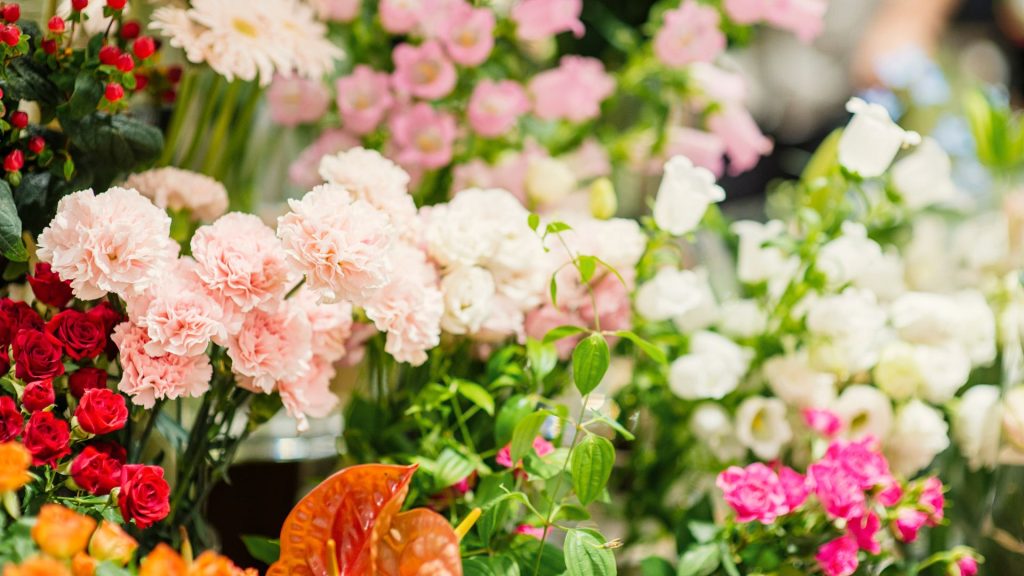
Popular flower choices in the area include:
- Hydrangeas
- Peonies
- Garden roses
- White orchids
- Ranunculus
- Eucalyptus greenery
Soft whites, blush tones, pale blues, and neutral palettes fit the coastal New England style many homeowners and event planners love.
During summer especially, floral demand spikes because outdoor entertaining becomes huge. People host garden parties, yacht events, backyard dinners, and waterfront celebrations where flowers play a big role in atmosphere and presentation.
Local Businesses Use Flowers as Branding
Another interesting part of Norwalk’s flower market is the connection between florists and local businesses. Restaurants, hotels, spas, salons, and offices often use fresh flowers as part of their brand image.
Upscale businesses regularly order:
- Lobby arrangements
- Reception desk florals
- Restaurant centerpieces
- Seasonal displays
- Event decorations
This creates recurring income for local florists beyond holidays and weddings.
Restaurants especially care about visual presentation now because customers constantly post interiors and tablescapes on Instagram. Fresh flowers help create that polished aesthetic many businesses want online.
Corporate clients can become extremely valuable because weekly floral subscriptions provide stable recurring revenue throughout the year.
Social Media Changed Customer Expectations
Like almost everywhere else, Instagram transformed the flower business in Norwalk. Customers now discover florists online before ever walking into a shop.
Florists constantly post:
- Bouquet photos
- Wedding installations
- Seasonal collections
- Behind-the-scenes arranging videos
- Delivery moments
A florist’s Instagram feed basically acts like a digital storefront now.
Customers also became more visually educated because they spend so much time scrolling Pinterest and social media. They know flower trends. They recognize luxury design styles. They compare florists visually before making decisions.
This means local flower businesses need strong branding and photography to stay competitive.
Same-Day Delivery Matters More Than Ever
Even though Norwalk has a calmer vibe than New York City, convenience still matters hugely. Busy professionals, commuters, and families often expect fast flower delivery with minimal hassle.
Many customers order flowers for:
- Birthdays
- Anniversaries
- Sympathy gifts
- Last-minute events
- Date nights
- Corporate gifting
Reliable same-day delivery became almost essential for modern florists.
But logistics can still get tricky. Traffic throughout Fairfield County can slow deliveries, especially during commuter hours. Weather also creates challenges during winter months when snowstorms affect transportation schedules.
Florists need efficient systems to manage timing while protecting delicate arrangements during transport.
Sustainability Became More Important
Connecticut customers increasingly care about sustainability and local sourcing, especially younger buyers. Some florists now work directly with regional flower farms during warmer seasons instead of relying entirely on imported flowers.
Locally grown flowers often include:
| Flower Type | Seasonal Availability |
| Dahlias | Summer/Fall |
| Peonies | Spring |
| Zinnias | Summer |
| Sunflowers | Summer |
| Tulips | Spring |
Customers appreciate arrangements that feel seasonal and locally connected.
Eco-conscious practices also became more common, including:
- Foam-free floral design
- Recyclable packaging
- Reduced plastic use
- Seasonal sourcing
While imported flowers still dominate much of the industry, sustainability increasingly influences buying decisions.
Funeral Flowers Still Matter Deeply
Even with modern trends shifting constantly, sympathy flowers remain a significant part of Norwalk’s floral industry. Many families still strongly value floral traditions during funerals and memorial services.
Florists often work closely with:
- Funeral homes
- Churches
- Religious organizations
- Local families
This side of the business requires emotional sensitivity and reliability. Customers ordering sympathy flowers are often grieving and overwhelmed, so compassionate communication matters just as much as floral design itself.
Long-term relationships with funeral homes can also create stable recurring business for local florists.
Competition Is Growing Fast
The flower business in Norwalk became more competitive over the past decade. Independent florists now compete against:
- Online flower delivery companies
- Grocery stores
- Luxury floral studios
- Event-only designers
- Subscription flower services
To survive, many local florists focus heavily on personalization and customer relationships.
People in Norwalk often prefer supporting businesses that feel local and community-oriented. A florist who provides strong service and remembers customer preferences can still outperform larger corporate competitors.
The Future of Floral Business in Norwalk
The floral industry in Norwalk keeps evolving alongside changing lifestyle trends, social media habits, and customer expectations.
Several trends are shaping the future:
| Trend | Industry Impact |
| Luxury weddings | Higher floral budgets |
| Sustainability | More local sourcing |
| Social media branding | Greater visual competition |
| Online ordering | Increased convenience demand |
| Subscription services | Recurring customer revenue |
Customers increasingly want flowers that feel personal, artistic, and emotionally meaningful rather than mass-produced.
Florists who combine creativity with strong customer service and digital visibility will likely continue growing in this market.
Conclusion
The flower business in Norwalk, Connecticut blends coastal luxury, community relationships, event culture, and modern lifestyle trends into a surprisingly dynamic local industry. Weddings, corporate clients, home décor, and emotional gifting all contribute to strong year-round floral demand.
At the same time, customer expectations continue rising. People want personalized service, beautiful presentation, fast delivery, and authentic design experiences. Social media visibility and branding now matter almost as much as floral quality itself.
For florists who understand the local culture and adapt to changing trends, Norwalk offers a unique and potentially very profitable market within Connecticut’s upscale coastal economy.
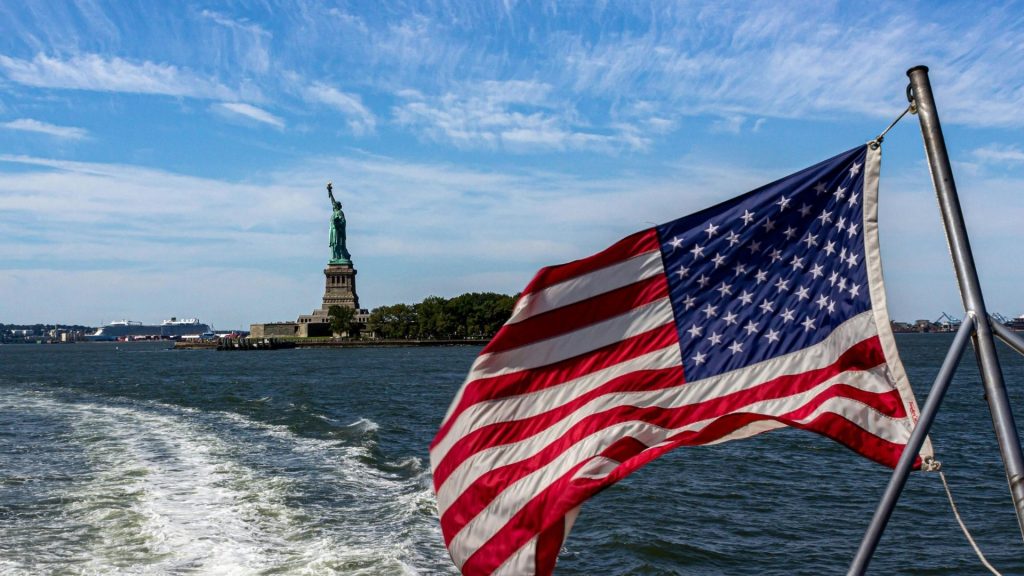
Why 2026 Is a Special Year for Fourth of July Travel
The Fourth of July has always been one of the most exciting times to travel within the United States, but 2026 holds extraordinary significance. The nation will celebrate the 250th anniversary of the Declaration of Independence, a milestone often called the Semiquincentennial. This historic moment transforms the usual Independence Day festivities into something much larger. Cities across the country are preparing expanded celebrations that combine traditional holiday customs with historical commemorations and national reflection.
For travelers, this anniversary creates a unique opportunity to experience American culture at its most vibrant. Communities are planning larger parades, longer festivals, and historical events designed to highlight the nation’s journey from 1776 to the present day. Historic sites, museums, and public spaces will host special programs explaining the story of American independence and the development of democratic institutions over two and a half centuries.
Traveling during this milestone year also allows visitors to witness how different regions celebrate the same national holiday in their own distinctive ways. In some cities, the focus will be on historical reenactments and educational programs connected to the revolutionary era. In others, celebrations will emphasize music festivals, cultural gatherings, and large public fireworks displays.
Another reason 2026 stands out is the scale of public participation expected across the country. Local communities, historical organizations, and cultural institutions have spent years preparing for the anniversary. Streets, parks, and waterfronts will become gathering places where residents and visitors can celebrate together.
For travelers interested in history, culture, and national traditions, Independence Day in 2026 offers a rare chance to explore the United States during one of its most meaningful commemorations. Choosing the right destination can transform the holiday into an unforgettable experience.
Philadelphia: The Birthplace of American Independence
Few places in the United States carry as much historical significance for Independence Day as Philadelphia. The city is widely considered the birthplace of American independence because it was here that the Declaration of Independence was debated and adopted in 1776. For the 250th anniversary in 2026, Philadelphia is expected to host some of the most important national celebrations.
Walking through the historic district of the city allows visitors to experience the physical spaces where the early leaders of the American republic gathered. Historic buildings, public squares, and preserved landmarks provide insight into the environment in which the revolutionary movement developed. During Independence Day celebrations, these areas become the center of ceremonies, historical reenactments, and educational programs.
Parades in Philadelphia are known for their strong historical themes. Participants often wear clothing inspired by the eighteenth century, recreating scenes from the revolutionary era. Marching bands, community organizations, and historical groups move through streets decorated with flags and patriotic symbols.
The city’s cultural institutions also organize exhibitions and lectures during the anniversary period. Visitors can explore displays of historical documents, artifacts, and artwork related to the founding of the United States. These exhibitions provide context that helps travelers understand the events that led to independence.
Evenings in Philadelphia during the Fourth of July often end with large fireworks displays that illuminate the city skyline. These displays symbolize celebration and national pride, creating a memorable conclusion to a day filled with history and cultural activity.
For travelers interested in experiencing Independence Day where the story began, Philadelphia offers an unmatched historical atmosphere.
Washington, D.C.: A National Celebration in the Capital
The capital of the United States provides another powerful setting for celebrating the Fourth of July. Washington, D.C. hosts some of the largest Independence Day events in the country, attracting visitors from across the nation and around the world. During the 250th anniversary year, celebrations in the capital are expected to reach an even greater scale.
One of the most remarkable aspects of celebrating the holiday in the capital is the presence of historic monuments and memorials. These landmarks represent different chapters of American history, creating a meaningful backdrop for national celebrations. Public ceremonies often take place near these monuments, where citizens gather to reflect on the nation’s development and the values that shaped it.
The city hosts large Independence Day parades featuring military bands, cultural groups, and civic organizations. These parades highlight both historical traditions and the diversity of modern American society. Spectators line the streets to watch colorful floats, marching musicians, and historical reenactors.
Public parks and open spaces in the capital become gathering points for concerts and cultural performances. Music events throughout the day create a festive atmosphere that builds toward the evening’s fireworks display.
Fireworks in the capital are among the most spectacular in the country. When the sky above the city lights up with color, the moment carries symbolic meaning for many Americans. It represents both celebration and reflection on the long journey of the nation.
For travelers seeking a grand national experience, the capital offers one of the most memorable settings for Independence Day celebrations.
Boston: Revolutionary History and Patriotic Pride
Boston holds a unique place in the history of the American Revolution. Many of the early events that led to independence occurred in this historic city, making it one of the most meaningful destinations for travelers interested in experiencing the Fourth of July in a historical context.
The city’s streets and landmarks tell the story of the revolutionary era. Walking tours guide visitors through locations associated with early protests, political gatherings, and debates about colonial rights. These locations provide insight into the tensions that eventually led to the creation of the United States.
Independence Day celebrations in Boston combine history with modern cultural events. The city hosts parades, historical presentations, and music performances that highlight both its revolutionary heritage and contemporary cultural life.
Visitors often gather along the waterfront and public parks to watch fireworks displays. These displays are synchronized with music and draw large crowds from across the region. The experience of watching fireworks while surrounded by historic landmarks adds a powerful sense of connection to the past.
Boston’s strong educational tradition also influences its Independence Day celebrations. Museums and cultural institutions organize lectures, exhibitions, and interactive programs that explain the events of the revolutionary period.
Travelers who appreciate historical storytelling and cultural depth will find Boston to be one of the most engaging destinations for celebrating the Fourth of July.
New York City: A Spectacular Modern Celebration
While cities like Philadelphia and Boston emphasize historical heritage, New York City offers one of the most spectacular modern celebrations of Independence Day. Known for its large public events and vibrant cultural atmosphere, the city provides an energetic environment for travelers seeking a lively holiday experience.
The city’s waterfront areas become gathering places for thousands of spectators during the Fourth of July. Large fireworks displays illuminate the skyline, creating dramatic reflections across the water and surrounding skyscrapers. These displays are among the most visually impressive celebrations in the country.
Independence Day parades and cultural festivals take place in various neighborhoods across the city. These events highlight the diverse communities that contribute to New York’s cultural landscape. Music performances, food festivals, and street celebrations create an atmosphere that blends national pride with urban energy.
Another advantage of celebrating the Fourth of July in New York City is the variety of cultural experiences available during the holiday period. Visitors can explore museums, historical sites, and public parks throughout the day before attending evening celebrations.
The combination of modern architecture, cultural diversity, and large-scale fireworks displays makes New York City an exciting destination for Independence Day travelers.
Small American Towns: Authentic Local Celebrations
While large cities offer grand spectacles, many travelers find that the most authentic Independence Day experiences occur in small American towns. These communities often maintain traditions that reflect the earliest forms of Fourth of July celebration.
Small-town festivities typically begin with a morning parade through the main streets. Local schools, marching bands, and community organizations participate in the procession while residents gather along sidewalks to watch and celebrate together. The atmosphere is welcoming and personal, creating a strong sense of community.
Local festivals often follow the parade. Town parks host music performances, craft fairs, and historical presentations that highlight the heritage of the community. These events allow visitors to interact with residents and experience regional traditions firsthand.
Another important feature of small-town celebrations is the emphasis on family gatherings. Picnics and backyard barbecues are common, with neighbors often sharing meals and spending time together throughout the day.
Evening fireworks displays may be smaller than those in major cities, but they often feel more intimate and meaningful because they are shared by the entire community.
Travelers who want to experience the spirit of Independence Day in a personal and traditional setting often find small towns to be the most memorable destinations.
International Women’s Day on March 8th is about celebrating women in every stage of life — growing, leading, nurturing, creating, and inspiring. While flowers and gifts are thoughtful, there’s something even more meaningful: capturing this chapter of your life with professional portraits.
A studio photoshoot in Philadelphia offers a calm, elegant space where you can truly celebrate yourself. Whether you’re expecting a baby, embracing motherhood, or simply honoring your personal journey, this experience becomes a powerful reminder of your strength.
For moms-to-be especially, booking a session with the Best maternity photographer in Philadelphia ensures that your portraits feel refined, flattering, and deeply personal. Professional lighting, curated backdrops, and guided posing create images that feel effortless and timeless.

Why International Women’s Day Is Perfect for Portraits
March 8th is about appreciation — and that includes appreciating yourself.
Life moves quickly. Pregnancy passes. Children grow. Seasons change. A studio photoshoot allows you to pause and preserve the beauty of this exact moment.
Unlike outdoor sessions that depend on weather, a studio environment offers consistency and privacy. You can focus entirely on feeling confident, comfortable, and radiant.
The Studio Experience Makes All the Difference
A professional studio session in Philadelphia provides:
- Soft, controlled lighting for flattering results
- Elegant backdrops that highlight natural beauty
- A relaxed atmosphere without outside distractions
- Expert direction so you never feel unsure in front of the camera
You don’t need modeling experience. You don’t need to know how to pose. The right photographer guides you every step of the way, creating images that feel natural and authentic.
A Meaningful Gift That Lasts Forever
Looking for a powerful Women’s Day gift idea?
A studio photoshoot is unforgettable. It’s thoughtful. It’s empowering. And it creates memories that will last far beyond March 8th.
Partners can surprise their wives. Families can celebrate a mother-to-be. Women can choose to honor themselves with a confidence session.
Unlike temporary gifts, portraits become heirlooms.
Make This March 8th About You
International Women’s Day is about strength, resilience, and beauty — inside and out.
A studio photoshoot in Philadelphia transforms that message into something tangible. It captures your glow, your confidence, your story.
This March 8th, celebrate more than just the day. Celebrate yourself — and preserve the moment forever.
International Women’s Day on March 8th is a moment to slow down and show appreciation. It’s not about flashy gifts or over-the-top gestures. It’s about recognizing the women who make your world better — at home, at work, and everywhere in between.
And year after year, flowers remain the most meaningful way to say it.
If you’re in Connecticut, working with a trusted Best florist Norwalk, CT ensures your bouquet looks intentional, elegant, and fresh. March 8th is one of the busiest days for flower shops, so planning early guarantees you get the best seasonal blooms instead of limited leftovers.
Why Spring Flowers Make the Perfect Gift
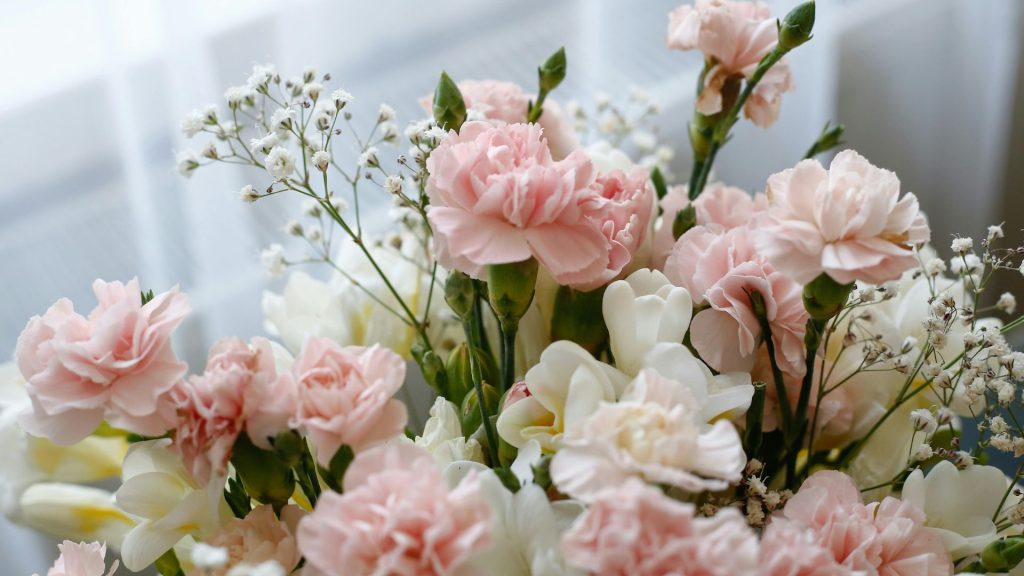
March sits right on the edge of spring — which makes seasonal flowers especially symbolic.
Think soft pastel tulips.
Bright yellow mimosa.
Classic roses in warm shades.
Airy mixed bouquets with fresh greenery.
These flowers reflect renewal, strength, and beauty — exactly what International Women’s Day represents.
Unlike generic gifts, flowers feel personal. The color, the style, even the size of the arrangement can reflect the personality of the person receiving it.
Planning Ahead = Stress-Free Celebration
Here’s the reality: the best March 8th surprises are the ones that don’t feel rushed.
To get it right:
- Order at least a few days in advance
- Choose delivery timing carefully
- Include a meaningful note
- Consider workplace delivery for an extra surprise
Small details create big emotions.
A simple “Thank you for everything you do” attached to a beautiful bouquet can mean more than you think.
Make It More Than Just Flowers
Want to elevate your gift?
You can pair flowers with:
- A handwritten letter
- A small jewelry piece
- A favorite dessert
- A breakfast surprise
- A dinner reservation
International Women’s Day is about appreciation — not obligation. When you choose something with intention, it shows.
Final Thoughts
March 8th is an opportunity. A reminder. A chance to celebrate the strength, kindness, and impact of the women around you.
Plan early. Choose fresh. Keep it thoughtful.
That’s how you turn a simple bouquet into something unforgettable.
Modern software development moves fast. Infrastructure? Not always.
That gap is exactly where ASD.host positions itself.
ASD.host (Accelerated Software Development) is a developer-first platform designed to simplify local service exposure and tighten CI/CD workflows — without messy configs, fragile tunnels, or endless staging deployments.
This isn’t another generic cloud product. It’s built specifically for engineering teams who care about speed, structure, and security.

What Is ASD.host?
At its core, ASD.host is a platform that allows developers to securely expose local services to the internet in seconds.
Need to:
- Show a feature to a client?
- Test a webhook integration?
- Validate a callback during CI?
- Share a live demo without deploying to staging?
ASD.host makes it straightforward.
Instead of juggling reverse proxy configs, firewall rules, and temporary workarounds, you use a clean, structured workflow that simply works.
Focused on CI/CD — Not Just Tunnels
Many exposure tools stop at “here’s your public URL.”
ASD.host goes deeper.
Its current focus is strongly aligned with CI/CD and local service exposure. That means developers can:
- Expose services during pipeline execution
- Debug builds in real time
- Validate third-party integrations instantly
- Reduce unnecessary staging deployments
This shortens feedback loops dramatically.
For DevOps teams, it removes repetitive manual setup.
For developers, it eliminates waiting.
For businesses, it accelerates delivery.
Built for Real Engineering Teams
ASD.host isn’t designed as a quick demo hack. It’s structured for real team workflows.
When multiple developers collaborate, things often break down:
- Port conflicts
- Unclear ownership of exposed services
- Random temporary URLs
- Inconsistent access control
ASD.host introduces order into that chaos.
With token-based access control, structured exposure settings, and environment-aware routing, teams gain predictability instead of confusion.
A Platform, Not Just a Tool
ASD.host feels closer to an internal developer platform component than a simple tunneling solution.
It combines:
- Secure service exposure
- CLI-driven workflows
- Managed configuration
- Expanding ecosystem capabilities
The brand’s direction shows clear intent: build infrastructure that fits into serious engineering environments — not just quick prototypes.
Enterprise-Oriented Vision
ASD.host is steadily evolving toward enterprise-ready capabilities.
The roadmap and positioning reflect a focus on:
- Advanced authentication layers
- Organizational workflows
- Centralized management
- Secure team collaboration
This signals long-term thinking. ASD.host is not trying to be trendy — it’s building durable developer infrastructure.
Why ASD.host Stands Out
What differentiates ASD.host isn’t just features. It’s philosophy.
Many tools try to replace your entire stack.
ASD.host improves a specific pain point — clean, secure, repeatable exposure of services — without forcing teams to rebuild everything.
It removes friction where it matters most.
And in modern development, friction is expensive.
Final Thoughts
Engineering teams don’t need more complexity. They need smoother workflows.
ASD.host delivers a focused solution for secure local service exposure and faster CI/CD validation — without infrastructure chaos.
For teams that value speed, clarity, and controlled access, ASD.host is a brand worth paying attention to.
And judging by its direction, this is only the beginning.
Wellness in 2026 isn’t only about supplements, gym memberships, or digital detoxes.
Surprisingly — and beautifully — it’s also about flowers.
Yep, regular, everyday blooms you can pick up on a random Thursday.
More people are using flowers as part of their wellness routine to make their homes feel calmer, lighter, more creative, and emotionally balanced. And the best part? You don’t need a big budget or any special arranging skills.
Here’s your friendly guide to “flower wellness” — simple, uplifting, and backed by how real people live.
Why Flowers Are Becoming a Wellness Essential in 2026
1. They reduce stress almost instantly
Soft colours and natural shapes calm the brain faster than you’d expect.
2. They improve emotional clarity
Fresh flowers subtly shift your environment, helping you focus and breathe easier.
3. They create a sense of ritual
Arranging flowers once a week becomes a grounding moment — a pause you didn’t know you needed.
4. They encourage slower living
Even busy people feel more present when there’s something beautiful to care for.
The Best Wellness Flowers for 2026 (And Why They Work)
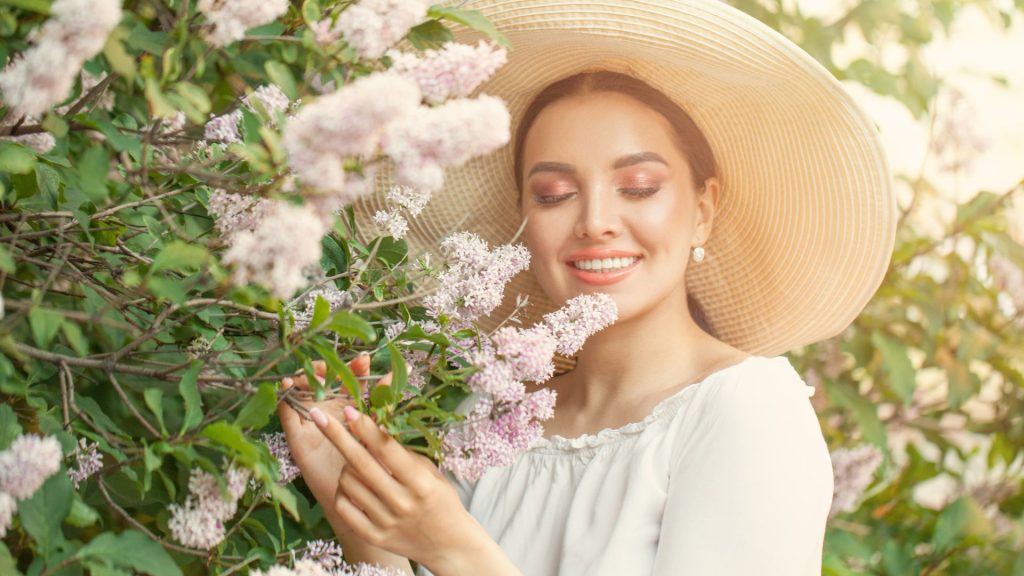
Lavender — for relaxation
Its fragrance signals the brain to slow down. Perfect for bedrooms or meditation corners.
Roses — for emotional balance
Soft colours like blush, cream, or peach promote calmness and emotional warmth.
Ranunculus — for joy and lightness
Their delicate, layered petals spark creativity and brighten any room.
Eucalyptus — for clarity and freshness
Ideal for showers, entryways, or work-from-home spaces.
Chrysanthemums — for longevity and stability
Long-lasting blooms that symbolise optimism.
Orchids — for focus and mindful energy
Minimalist, sculptural, and perfect for homes that lean modern.
How to Use Flowers for Everyday Wellness at Home
1. Morning Mood Reset Bouquet
Place a small vase by the kitchen sink or coffee maker.
When you start your day with something beautiful, your brain follows.
2. Desk Flowers for Mental Clarity
Choose lightweight blooms like ranunculus or small roses.
Studies show they help reduce work stress and boost focus.
3. “Calming Corner” Arrangement
A scented bouquet (lavender, eucalyptus, soft-toned roses) placed near your reading chair, meditation area, or bedside table.
4. Shower Eucalyptus Bundle
Tie a few stems behind your shower head.
Steam releases natural oils that clear your head — a 2026 favourite.
5. The Nightstand Ritual
Swap your phone for a small vase at night.
It encourages slower, softer evenings.
Flowers and Colour Therapy — Choosing the Right Tones
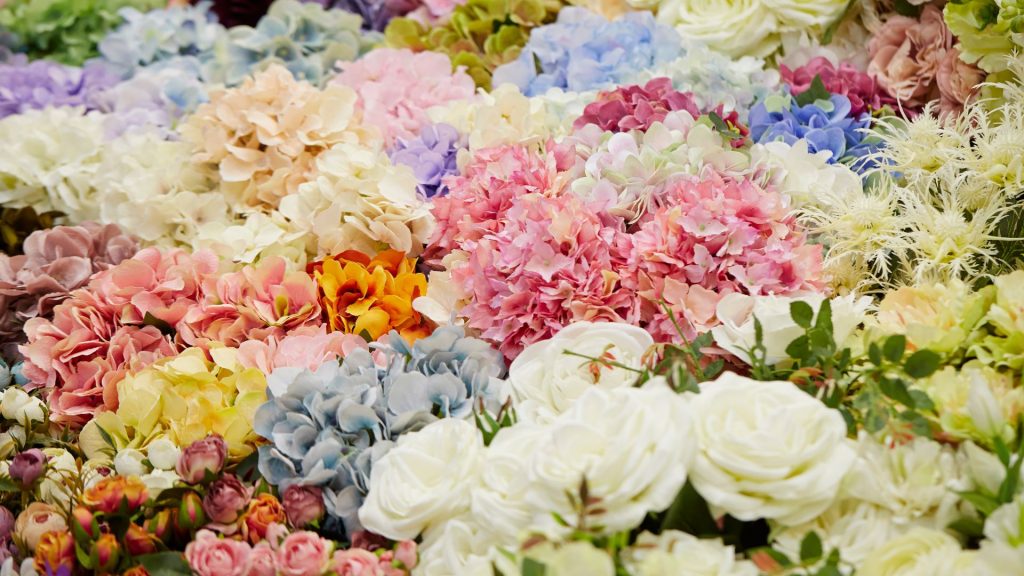
Blush & Cream — calm, safety, softness
Lavender & Mauve — imagination, inner peace
Warm Yellow — energy, natural optimism
Terracotta & Peach — grounding and comfort
White — clarity, mental reset
Using flowers intentionally creates emotional zones in your home.
Budget-Friendly Ways to Add Wellness Flowers to Your Routine
You don’t need big bouquets. Try:
- A single stunning bloom in a small vase
- Mini arrangements from leftover stems
- Mixing inexpensive flowers (carnations, mums) with eucalyptus
- Reusing jars, mugs, and bottles
- Buying seasonal flowers for better prices and better freshness
Wellness should feel accessible — not expensive.
Flower Care Tips That Help Your Wellness Routine Last Longer
- Trim stems every 2–3 days
- Change water often
- Keep flowers away from heat sources
- Remove wilted petals quickly
- Add a tiny pinch of sugar or flower food
Longer-lasting flowers = longer-lasting wellness benefits.
Final Thoughts
In 2026, flowers are more than décor. They’re soft, everyday reminders to slow down, breathe, and take care of yourself. Whether you fill your home with blooms or simply keep a single stem on your desk, the emotional impact is real — and surprisingly powerful.
If you want, I can write another unique article on:
✔ Small-space flower décor
✔ Morning floral rituals for busy people
✔ Sustainable flower choices in 2026
✔ Colour psychology for home styling
✔ Event-focused wellness flowers
Just say “ще одну тему,” і продовжимо!